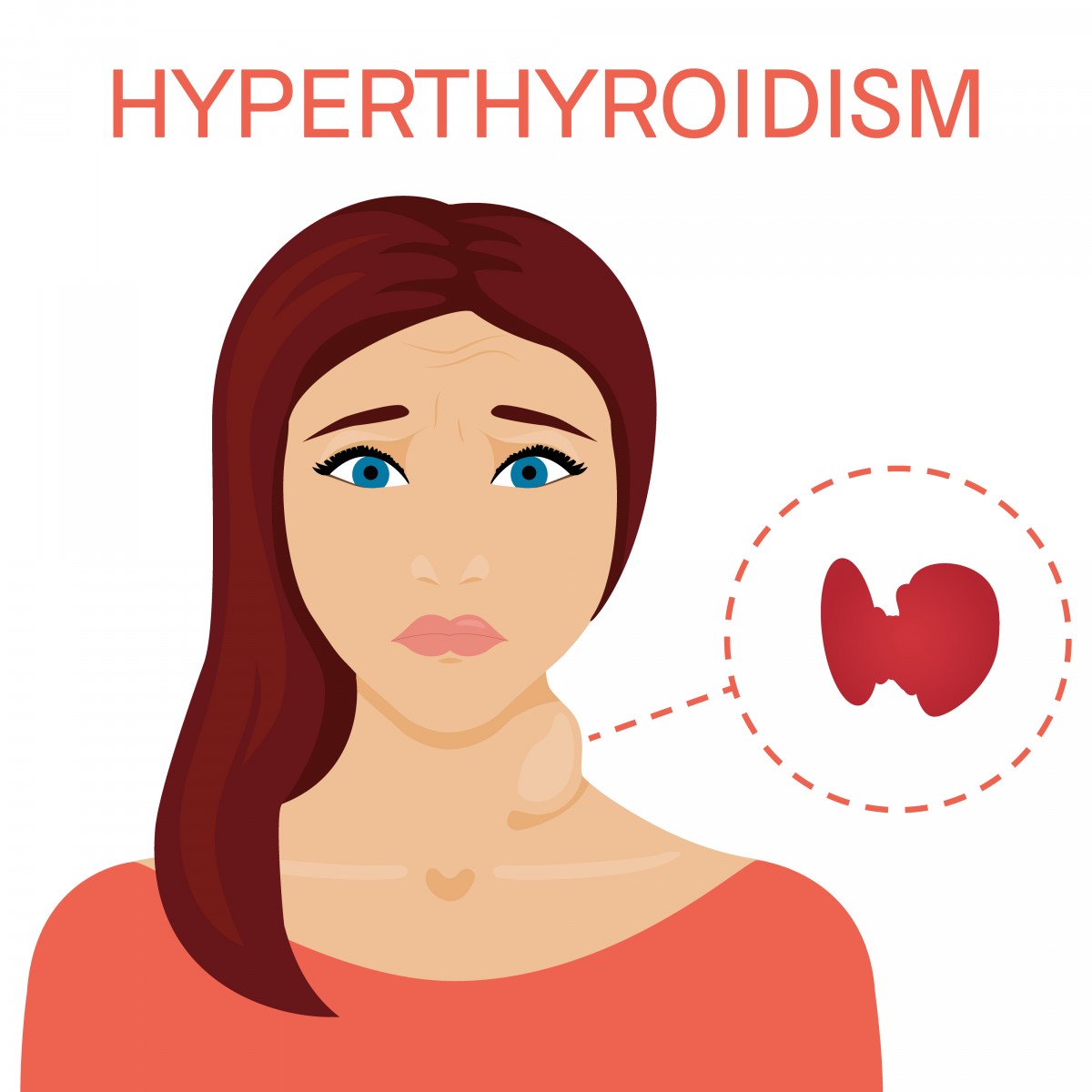
Hyperthyroidism is a condition where your thyroid makes and releases high levels of thyroid hormone, leading to an accelerated metabolism that can significantly impact your overall health. The main thyroid hormones are triiodothyronine (T3), thyroxine (T4) and thyroid stimulating hormone (TSH), each playing a crucial role in regulating numerous bodily functions, including heart rate, temperature control, and even mood. If left untreated, hyperthyroidism can lead to serious complications such as heart problems, bone loss, and a range of symptoms that can drastically affect one’s quality of life, including anxiety, weight loss, and increased sensitivity to heat. Therefore, understanding the causes and effects of hyperthyroidism is vital for timely diagnosis and effective management of this condition.
Risk factors of Hyperthyroidism
- Sex. Females are much more likely to have hyperthyroidism than males. Experts believe this may have to do with hormones.
- Pregnancy. Pregnancy can stimulate hyperthyroidism in some people, which can cause complications for both parent and fetus.
- Age. You’re considered at higher risk for hyperthyroidism as an older adult, especially after age 60.
- Genetics. A family history of hyperthyroidism usually indicates an increased likelihood of developing the condition.
- Iodine exposure. You may get too much iodine from certain medications or foods.
- Having another health condition. People with type 1 diabetes, primary adrenal insufficiency, or pernicious anemia are considered more at risk.
- Medications. Certain drugs, such as amiodarone, can affect thyroid function and may lead to hyperthyroidism.
- Radiation exposure. Previous treatments involving radiation to the neck can increase the risk of hyperthyroidism.
- Stress. High levels of stress may trigger thyroid imbalance, contributing to the development of hyperthyroidism.
- Smoking. There is evidence suggesting that smoking may increase the risk of developing hyperthyroidism, particularly in female smokers.
Hyperthyroidism Symptoms
- Insomnia (trouble falling or staying asleep)
- Thinning skin
- Hair breakage or loss
- Changes in your period (for instance, it could be lighter than usual or happen less often)
- Eye pain
- rapid or irregular heartbeat
- feeling nervous or irritable
- frequent bowel movements
- Losing weight without trying.
- Fast heartbeat, a condition called tachycardia.
- Irregular heartbeat, also called arrhythmia.
- Pounding of the heart, sometimes called heart palpitations.
- Increased hunger.
- Nervousness, anxiety and irritability.
- Tremor, usually a small trembling in the hands and fingers.
- Sweating.
- Increased sensitivity to heat.
Hyperthyroidism Causes
- Graves’ disease. Graves’ disease is an autoimmune disorder that causes the immune system to attack the thyroid gland. This action prompts the thyroid to make too much thyroid hormone, leading to various health issues. Graves’ disease is the most common cause of hyperthyroidism, a condition that results in elevated levels of thyroid hormones in the bloodstream, which can cause symptoms such as weight loss, increased heart rate, and nervousness. The disorder can also affect other systems in the body, potentially leading to complications if left untreated.
- Overactive thyroid nodules. This condition also is called toxic adenoma, toxic multinodular goiter, and Plummer disease. This form of hyperthyroidism happens when a thyroid adenoma makes too much thyroid hormone. An adenoma is a part of the gland that is walled off from the rest of the gland. It forms noncancerous lumps that can make the thyroid bigger than usual. As a result of these excess hormones, individuals may experience symptoms such as rapid heartbeat, weight loss, increased appetite, nervousness, and sweating. It is important to monitor and manage these symptoms effectively to maintain overall health and prevent further complications related to the thyroid gland.
- Thyroiditis. This condition happens when the thyroid gland becomes inflamed, resulting in a variety of symptoms and potential complications. In some cases, it’s due to an autoimmune disorder where the immune system mistakenly attacks the thyroid tissue. In others, the reason for it is unclear, though factors such as infection or certain medications can play a role. The inflammation can cause extra thyroid hormone stored in the thyroid gland to leak into the bloodstream, leading to an excess of hormones that can cause symptoms of hyperthyroidism. These symptoms may include anxiety, weight loss, and increased heart rate, among others, which can significantly impact a person’s quality of life. Regular monitoring and appropriate treatment are essential for managing this condition effectively.
Hyperthyroidism Treatment
Treating an overactive thyroid means lowering your levels of thyroid hormone. Your doctor will help you choose a treatment based on your age, overall health, the reason for your hyperthyroidism, and your symptoms.
Your options might include:
Radioactive iodine. This is the most common way to treat hyperthyroidism. You swallow a tiny, safe amount of radioactive iodine. Your overactive thyroid cells absorb it and die. This makes your thyroid shrink, lowering your thyroid hormone levels, although your symptoms may not improve for several months.
Taking this medication may also cause hypothyroidism, but that’s easier to treat than hyperthyroidism — you’ll take a hormone supplement once a day.
Surgery. If medications aren’t a good option for you, your doctor may remove all or part of your thyroid. This is called a thyroidectomy. Afterward, you’ll need to take a daily pill that provides the right amount of thyroid hormone that your body needs to stay healthy.
While this surgery works well, it does come with some risks. It can damage your vocal cords and your parathyroid glands. Those are two pea-sized glands that sit next to your thyroid and help regulate the amount of calcium in your blood.
 APOMUDEN
Leave a comment