Binge Eating Disorder (BED) is a serious psychological condition characterized by recurrent episodes of eating large quantities of food, often very quickly and to the point of discomfort. Individuals with BED typically feel a lack of control during these binge episodes, which may be triggered by emotional distress, such as stress, anxiety, or depression. Unlike … Continue reading Binge Eating Disorder: Signs, Symptoms, and Treatment Options
Category: health conditions
Understanding Achilles Tendinopathy: Causes and Treatments
Achilles tendinopathy is a condition characterized by pain, stiffness, and swelling of the Achilles tendon, which connects the calf muscles to the heel bone. This condition is often caused by overuse or repeated stress, particularly in individuals who engage in activities that involve repetitive running or jumping. As the tendon becomes inflamed, it can lead … Continue reading Understanding Achilles Tendinopathy: Causes and Treatments
Understanding Ataxia: Symptoms, Types, and Treatments
Ataxia is a term for a group of neurological conditions that affect balance, coordination, and speech; these disorders can manifest in various degrees of severity and may arise from numerous underlying causes, including genetic mutations, degenerative diseases, or injuries to the brain and spinal cord. Individuals experiencing ataxia often struggle with performing everyday tasks, as … Continue reading Understanding Ataxia: Symptoms, Types, and Treatments
Understanding Ankylosing Spondylitis: Causes, Symptoms, and Treatments
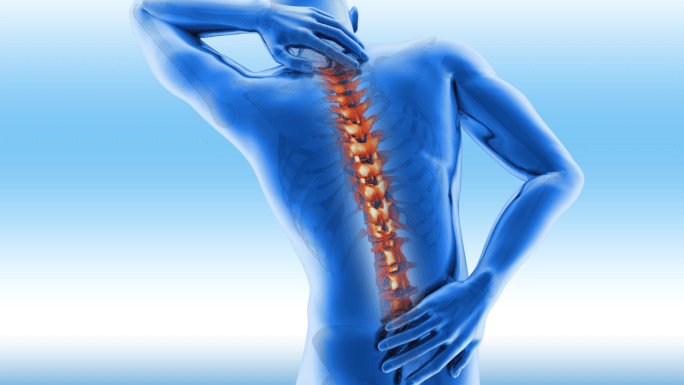
Ankylosing spondylitis is a chronic inflammatory disease that primarily affects the spine and the sacroiliac joints in the pelvis, leading to pain and stiffness in the back. It is a form of arthritis characterized by the fusion of the vertebrae over time, resulting in a significant reduction of flexibility and, in severe cases, a hunched … Continue reading Understanding Ankylosing Spondylitis: Causes, Symptoms, and Treatments
Managing Low Blood Pressure: Symptoms and Solutions
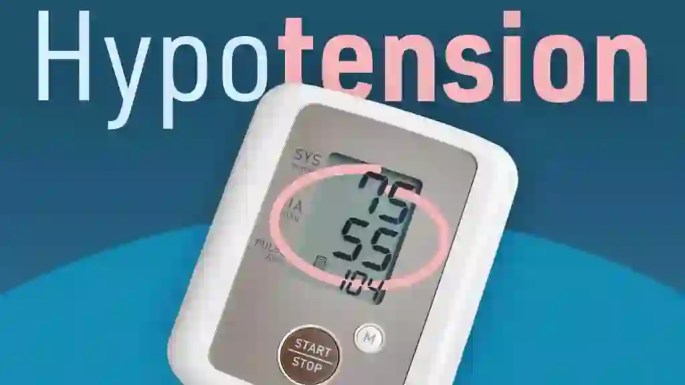
Hypotension is the medical term for low blood pressure. You have it when your blood pressure reading is much lower than normal. Blood pressure readings consist of two numbers: the top number measures systolic pressure, the pressure in the arteries when the heart beats, and the bottom number measures diastolic pressure, the pressure when the … Continue reading Managing Low Blood Pressure: Symptoms and Solutions