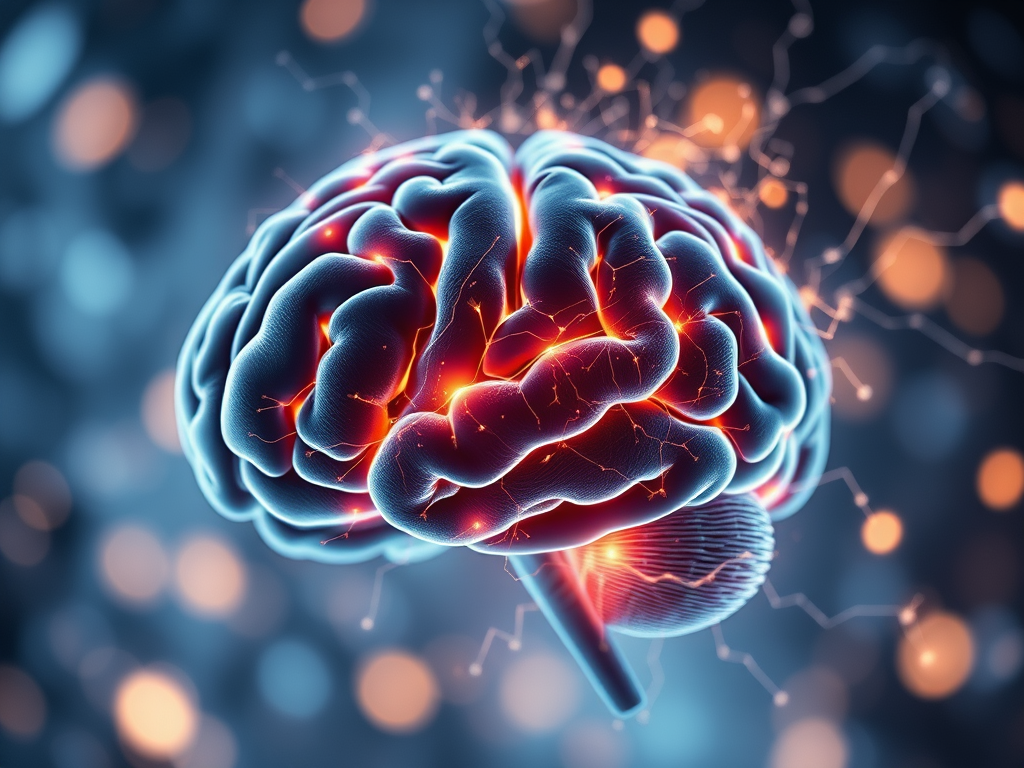
Epilepsy is a chronic non-communicable disease of the brain that affects millions of people worldwide. It is characterized by recurrent seizures, which are defined as sudden surges of electrical activity in the brain. These seizures can disrupt normal brain function and can temporarily alter how a person looks, moves, or behaves, leading to various symptoms that range from mild to severe. It is important to note that having a single seizure does not automatically indicate the presence of epilepsy; instead, a diagnosis typically requires the occurrence of at least two unprovoked seizures, which are seizures that arise without any identifiable trigger. The complexity of epilepsy lies in its various forms and the different ways it can impact individuals, making it essential for healthcare professionals to conduct thorough evaluations and develop tailored treatment plans for each patient.
Causes & Triggers
According to the World Health Organization (WHO), the cause is unknown in about 50% of cases. Known causes include:
- Brain Injury: Trauma from accidents or prenatal injuries.
- Infections: Meningitis, encephalitis, or neurocysticercosis.
- Genetics: Some types are linked to specific genes.
- Structural Issues: Brain tumors or scarring from a stroke.
Common Triggers: While not causes, these can spark a seizure in someone with epilepsy:
- Lack of sleep or extreme fatigue.
- Flashing lights (Photosensitive epilepsy).
- High stress or missing doses of medication.
Signs and Symptoms
Symptoms vary depending on where in the brain the disturbance starts:
- Generalized Seizures: Affect the whole brain. Symptoms include stiffening of the body, jerking movements, or loss of consciousness.
- Focal Seizures: Affect one area. Symptoms include “staring spells,” repetitive movements (lip-smacking), or sudden intense emotions like fear or joy.
- Post-ictal State: The period after a seizure where the person may feel confused, tired, or have a headache.
Treatment Options
Most people with epilepsy can live seizure-free lives with the right treatment:
- Anti-Seizure Medication (ASMs): The primary treatment. About 70% of people can control seizures with the first or second medication tried.
- Ketogenic Diet: A specialized high-fat, low-carb diet monitored by doctors, often used for children who don’t respond to medicine.
- Neuromodulation: Devices like the Vagus Nerve Stimulator (VNS) act like a “pacemaker for the brain.”
- Surgery: If seizures consistently originate in one small, reachable area of the brain that doesn’t handle vital functions.
Prevention and First Aid Advice
While genetic epilepsy can’t be prevented, many cases are avoidable:
- Prevent Head Injuries: Use helmets and seatbelts whenever engaging in activities such as biking, motorcycling, or driving to protect yourself and reduce the risk of severe head trauma.
- Proper Prenatal Care: Reduces the risk of brain damage during birth.
- Seizure First Aid (Stay, Safe, Side):
- Stay with the person and time the seizure.
- Keep them Safe by moving sharp objects away.
- Turn them on their Side if they are not awake.
- Never put anything in their mouth.
When to Call an Ambulance
Seek emergency help via the International League Against Epilepsy (ILAE) guidelines if:
- The seizure lasts longer than 5 minutes.
- A second seizure follows immediately.
- The person is pregnant, injured, or has diabetes.
 APOMUDEN
Leave a comment