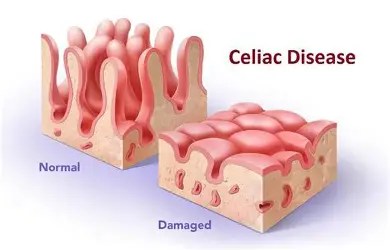
Celiac disease is a genetic autoimmune disorder where the ingestion of gluten (a protein found in wheat, rye, and barley) triggers an immune response in susceptible individuals. This response attacks the villi—tiny, finger-like projections in the small intestine that play a crucial role in absorbing essential nutrients from the food we consume. When these villi are damaged, the body cannot effectively absorb vital nutrition, regardless of how much food is ingested. Over time, this malabsorption can lead to various symptoms, including chronic fatigue, diarrhea, and weight loss, as well as more severe complications, such as osteoporosis and other autoimmune conditions. If left untreated, celiac disease can significantly impact a person’s quality of life and health, making awareness and proper management essential for those affected.
Causes & Risk Factors
- Genetics: It often runs in families. If a first-degree relative has it, your risk is significantly higher.
- Autoimmune Links: People with Type 1 diabetes or certain thyroid diseases are more likely to develop it.
- Triggers: Sometimes the disease becomes active after surgery, pregnancy, childbirth, or severe emotional stress.
Signs and Symptoms
Symptoms vary wildly between adults and children, which is why the Celiac Disease Foundation notes it is often misdiagnosed.
- Digestive Issues: Bloating, chronic diarrhea, constipation, gas, and “fatty” stools.
- Malnutrition Effects: Anemia (iron deficiency), unexplained weight loss, and fatigue.
- Unexpected Signs: Itchy skin rashes (Dermatitis Herpetiformis), mouth ulcers, and bone or joint pain.
- In Children: Growth failure (failure to thrive), irritability, and delayed puberty.
Treatment Options
There is currently no cure and no medication for Celiac disease. The only treatment is:
- A Strict, Lifelong Gluten-Free Diet: This means removing all wheat, rye, barley, and many processed foods.
- Vitamin Supplements: Doctors may prescribe supplements to correct deficiencies in iron, calcium, and B12.
- Regular Monitoring: Follow-up blood tests with a gastroenterologist to ensure the gut is healing.
Prevention and Health Advice
You cannot “prevent” the onset of Celiac disease, but you can prevent the complications (like osteoporosis or intestinal cancers) through strict management:
- Read Labels Diligently: Gluten hides in surprising places like soy sauce, salad dressings, and even lip balm.
- Avoid Cross-Contamination: Use separate toasters and cutting boards if you live in a house where others eat gluten.
- Focus on Naturally Gluten-Free Foods: Stick to fresh fruits, vegetables, meat, poultry, fish, beans, and grains like quinoa or rice.
- Consult a Dietitian: Work with a professional via the Academy of Nutrition and Dietetics to ensure your new diet is balanced.
 APOMUDEN
Leave a comment