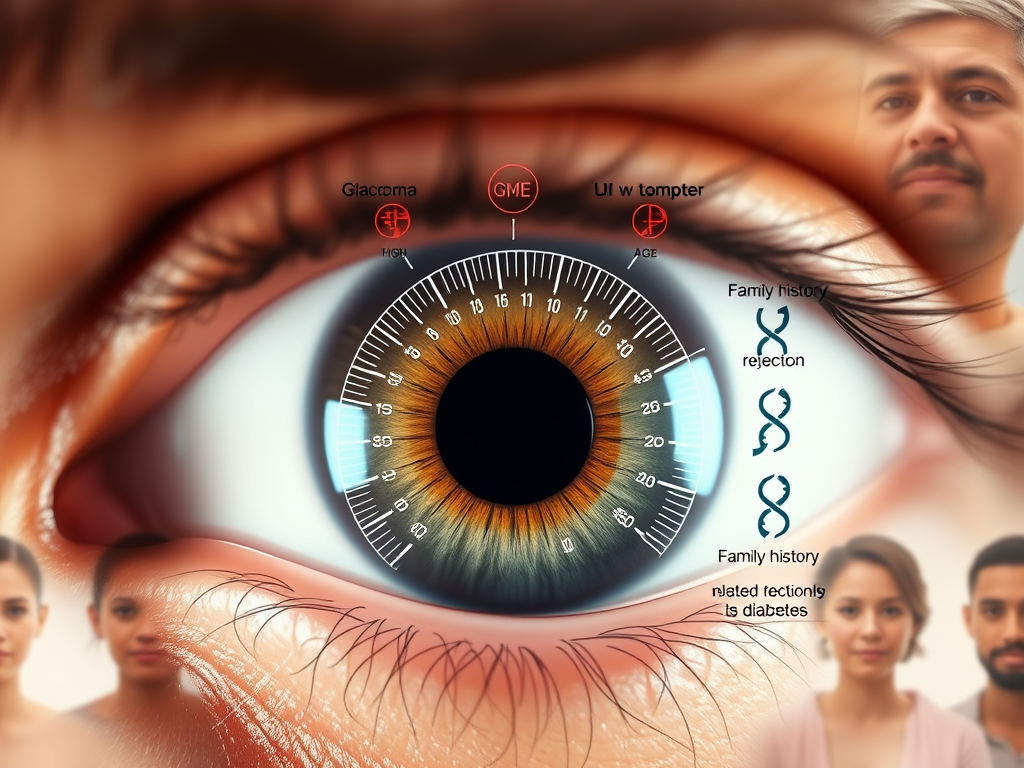
Glaucoma occurs when the fluid pressure inside the eye (intraocular pressure) rises to a level that damages the optic nerve, which is responsible for transmitting visual information from the eye to the brain. This condition often develops gradually and can go unnoticed for many years, as there are typically no early warning signs or symptoms. If left untreated, it leads to permanent vision loss or total blindness, making regular eye exams essential for early detection and management. Factors such as age, family history, and certain medical conditions can increase the risk of developing glaucoma, underscoring the importance of proactive eye care and awareness about this potentially debilitating disease.
Common Causes & Risk Factors
The exact cause of the fluid buildup isn’t always clear, but several factors increase your risk:
- High Eye Pressure: Poor drainage of the eye’s natural fluid (aqueous humor).
- Age: People over 60 are at higher risk.
- Family History: Genetics play a significant role.
- Medical Conditions: Diabetes, high blood pressure, and sickle cell anemia can increase risk.
- Ethnicity: African, Asian, and Hispanic individuals have a higher predisposition to certain types of Glaucoma.
Signs and Symptoms
Most types of glaucoma show no symptoms until the late stages. However, symptoms vary by type:
- Open-Angle Glaucoma: The most common form. It causes gradual, patchy blind spots in your peripheral (side) vision.
- Acute Angle-Closure Glaucoma (Medical Emergency):
- Severe headache and eye pain.
- Nausea and vomiting.
- Blurred vision.
- Halos around lights.
- Redness in the eye.
Treatment Options
Vision lost to glaucoma cannot be restored, but treatment can slow or prevent further loss:
- Prescription Eye Drops: The most common treatment to lower eye pressure.
- Oral Medications: Used if eye drops aren’t sufficient.
- Laser Therapy: Procedures like Selective Laser Trabeculoplasty (SLT) help fluid drain better.
- Surgery: Traditional surgeries (like a trabeculectomy) or minimally invasive glaucoma surgery (MIGS) to create a new drainage path.
Prevention and Health Advice
While you can’t prevent glaucoma itself, you can prevent vision loss through these steps:
- Get Regular Eye Exams: Comprehensive eye exams with “dilation” are the only way to catch it early and prevent vision loss. The Mayo Clinic recommends exams every 1–2 years for high-risk groups and emphasizes the importance of early detection in maintaining eye health and ensuring any potential issues are addressed promptly. Regular check-ups can lead to timely interventions that significantly improve outcomes.
- Know Your History: Talk to your relatives about their eye health, as understanding your family’s medical background can provide valuable insights into potential eye conditions and hereditary factors that may affect your vision.
- Exercise Safely: Moderate exercise, such as walking or swimming, can help reduce eye pressure, improve overall health, and enhance well-being when done consistently and with proper form.
- Wear Eye Protection: Serious eye injuries can lead to secondary glaucoma, which can significantly impact your vision and overall quality of life. It’s crucial to always use appropriate eye protection, especially in environments with potential hazards such as flying debris, chemical splashes, or intense light exposure.
 APOMUDEN
Leave a comment