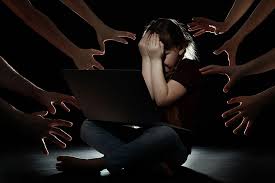
The fear of being in darkness (nyctophobia) is also known as lygophobia. The term “nyctophobia” comes from the Greek word meaning “night.” It is a common phobia, especially in children. Up to 45% of children suffer from some sort of fear, with nyctophobia being one of the most common, particularly among children aged 5 to 12. While many children outgrow nyctophobia as they get older, the fear can last into adolescence and even adulthood for some.
Nyctophobia is more than just a simple fear of the dark; it encompasses a deeper anxiety about what cannot be seen. This can lead to overwhelming feelings of dread, especially in situations where visibility is limited. Factors such as imagination can exacerbate these feelings, causing individuals to envision potential dangers lurking out of sight. The absence of light can amplify this anxiety, especially when combined with unfamiliar sounds or movements that occur in the darkness. Noises that can be heard through the dark without a visual cause can enhance the sense of vulnerability, heightening the fear experienced by those with nyctophobia.
The severity of nyctophobia can vary considerably from one individual to another. For some children, the fear is mild and may manifest as an avoidance of dark places or a general unease when the lights go out. However, for others, the fear can be paralyzing. Some children may feel so fearful of the dark that they refuse to go to bed without some form of light, such as a nightlight, or they may ask their parents to stay with them until they fall asleep. Their imaginations may run wild, leading them to believe that there are monsters or other threats hiding just beyond their line of sight. This can lead to nightly rituals where they request their parents to check for “monsters” hiding under their beds or in the closet, which in turn can reinforce and prolong the fear.
Understanding the roots of nyctophobia can be crucial for parents and caregivers. Recognizing that this fear is a common developmental stage may help in easing the anxiety of both the child and the parent. Strategies such as gradual exposure to darkness, discussing fears, and using comforting techniques can help children cope with their fear and gradually diminish its intensity over time. Engaging in open conversations about their fears may empower children, equipping them with tools to confront their fears effectively. By fostering a supportive environment, parents can help their children navigate through their feelings, allowing them to develop resilience and a healthy understanding of fear and anxiety.
 APOMUDEN
Leave a comment