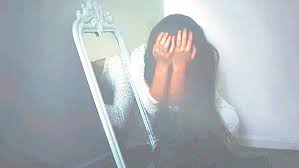
Eisoptrophobia: An abnormal and persistent fear of mirrors. Sufferers experience undue anxiety even though they realize their fear is irrational. This anxiety can manifest in various ways, including sweating, trembling, and an overwhelming urge to avoid mirrors at all costs. The fear might stem from personal experiences or cultural beliefs, deepening the emotional turmoil for those affected. Because their fear often is grounded in superstitions, they may worry that breaking a mirror will bring bad luck or that looking into a mirror will put them in contact with a supernatural world inside the glass. This belief may be exacerbated by stories or anecdotes passed down through generations, reinforcing the fear and contributing to a cycle of anxiety. Additionally, the mere thought of facing their reflection can trigger intense feelings of dread, leading them to feel vulnerable and exposed.
Many individuals find themselves imagining worst-case scenarios in which the mirror acts as a portal to harmful entities or negative energies. In many cases, individuals coping with eisoptrophobia might go to great lengths to cover or remove mirrors from their living spaces, impacting their daily lives and interactions, while often seeking reassurance from loved ones about the safety of their environment. Social gatherings can become particularly challenging, as the presence of mirrors in homes or public places can provoke panic attacks or intense discomfort. Proper treatment, including therapy and support, can help those affected confront and manage their fears more effectively, empowering them to gradually rebuild their relationship with mirrors and, by extension, their own reflections. By recognizing that the fear is unfounded, individuals can work towards reclaiming control over their lives and fostering a sense of security within their surroundings.
 APOMUDEN
Leave a comment