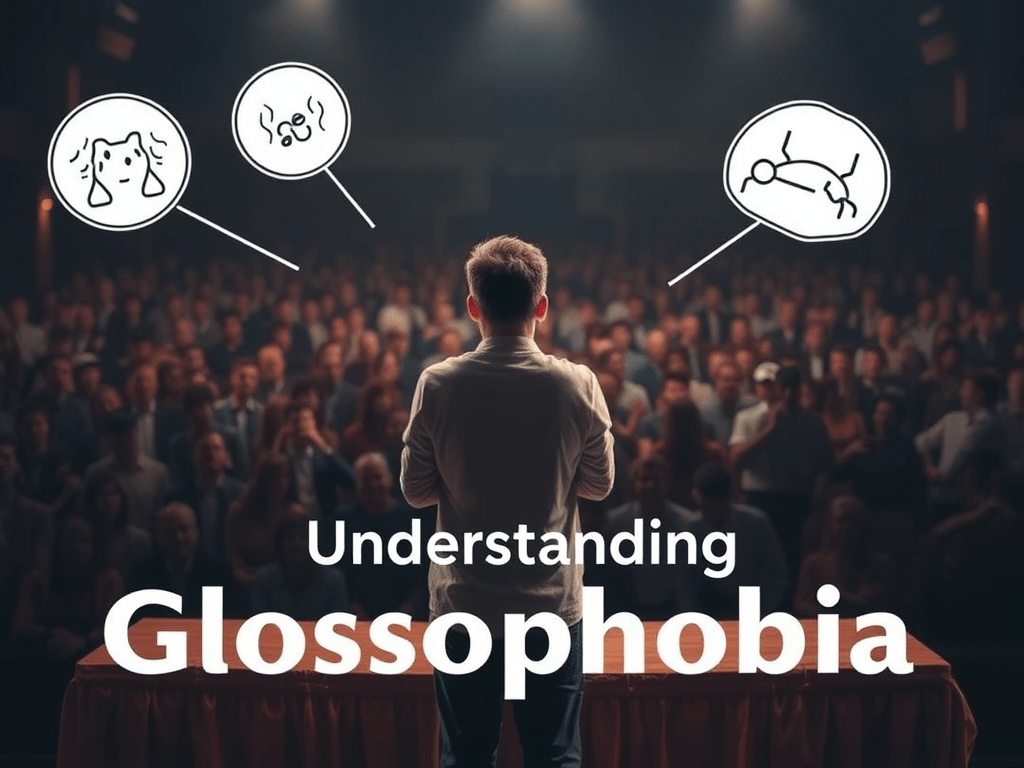
Glossophobia is the intense fear of public speaking that causes significant anxiety for those affected, often arising from fears of judgment or embarrassment. This fear can lead to physical symptoms like sweating and trembling, making communication difficult. Overcoming glossophobia typically requires practice, supportive environments, and possibly professional help. If the fear severely impacts daily life, consulting a doctor for a targeted treatment plan is recommended.
Symptoms of Glossophobia
- shortness of breath or hyperventilating
- dizziness
- muscle tension
- rapid heartbeat
- trembling
- sweating
- nausea or vomiting
- urge to get away
Causes and Contributing Factors of Glossophobia
Glossophobia can stem from a variety of psychological and environmental influences. For instance, individuals often experience anxiety related to public speaking due to past negative experiences, such as being criticized or ridiculed in front of an audience. This fear can also stem from a lack of preparation and confidence in one’s speaking skills, further perpetuating a cycle of anxiety and avoidance. Additionally, societal pressures and cultural expectations can contribute to this phenomenon, making individuals feel that their worth is tied to their ability to communicate effectively in public settings. Moreover, biological factors, such as genetic predisposition to anxiety disorders, can also play a role, causing some individuals to be more prone to developing glossophobia than others. Understanding these multifaceted causes can be essential for addressing and overcoming the fear of public speaking.
How to Overcome Glossophobia
- Lifestyle Changes: Lifestyle adjustments can be a part of the treatment process, and these changes may include daily habits such as exercising regularly, maintaining a balanced diet, ensuring adequate sleep, and managing stress effectively to improve overall well-being.
- Exposure Therapy (ET): Gradually exposing oneself to public speaking situations in a controlled way, allowing individuals to desensitize their fear responses over time, and helping to increase confidence and reduce anxiety related to public speaking.
- Cognitive-Behavioral Therapy (CBT): A type of therapy that helps change negative thought patterns and behaviors related to public speaking by identifying and challenging the cognitive distortions that lead to anxiety, while also providing practical strategies and techniques to enhance one’s confidence and overall performance in public speaking situations.
- Virtual Reality (VR): Newer treatments include virtual reality exposure training to simulate public speaking in a controlled environment, allowing individuals to practice their skills in a safe and immersive setting, overcoming anxiety by engaging with virtual audiences, thereby increasing confidence and improving performance in real-life situations.
- Practice and Preparation: Rehearsing speeches in various settings, practicing in front of others to gain valuable feedback, and using deep breathing along with visualization techniques can significantly help in boosting confidence and reducing anxiety.
 APOMUDEN
Leave a comment