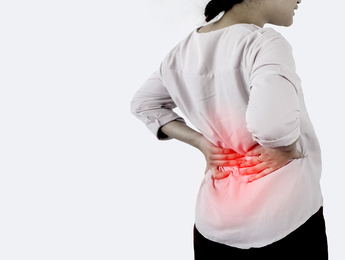
Back pain is a common ailment that can range from a dull ache to sharp, sudden pain, often leading to discomfort that hinders daily activities. It can affect any part of the back, from the neck to the lower back, and is often caused by strains, sprains, or structural problems in the spine or surrounding tissues, such as herniated discs or degenerative disc disease. Additionally, factors such as poor posture, lack of physical activity, and obesity can exacerbate this condition. While most back pain resolves on its own with home care, such as rest, ice, and over-the-counter pain relievers, it can become debilitating, affecting work, recreation, and overall well-being. Seeking medical advice is crucial if the pain is severe, persistent, or accompanied by other symptoms, as early intervention can prevent further complications and improve the quality of life. Understanding the underlying causes and making lifestyle changes can be instrumental in managing and preventing future episodes of back pain.
When to Seek Medical Advice:
- Severe or persistent pain: If pain doesn’t improve after a few weeks of home care, such as rest, ice, or over-the-counter pain medications, it may be time to consult a healthcare professional to explore further diagnostic evaluations or treatment options.
- Pain accompanied by other symptoms: Such as fever, numbness, tingling, or weakness in the limbs, which may indicate an underlying condition that requires medical attention or further evaluation to determine the cause and appropriate treatment options.
- Pain after a traumatic injury: Such as a fall or accident, which may result in varying degrees of discomfort, soreness, or sharp pain, often affecting mobility and the overall quality of life during the recovery period.
- Pain that interferes with daily activities: Such as work or sleep, often making it challenging to maintain focus, productivity, or even simply find the energy to engage in self-care, which can lead to further emotional and physical distress.
How to prevent back pain
- Maintain a healthy weight: Excess weight puts extra strain on the back, which can lead to various issues, including chronic pain and discomfort, making it essential to adopt healthy eating habits and regular exercise routines to manage weight effectively.
- Exercise regularly: Strengthening back and abdominal muscles can provide vital support to your core, which is essential for maintaining good posture and preventing injuries during daily activities and physical tasks.
- Practice good posture: Proper posture while sitting and standing can help prevent back problems and discomfort. It also enhances breathing and promotes better circulation throughout the body. Maintaining awareness of your spine’s alignment while working at a desk or during daily activities is key to reducing strain and ensuring overall physical health.
- Lift properly: When lifting heavy objects, always ensure to use your legs instead of your back. Bend your knees, keep your back straight, and maintain a firm grip on the object to prevent injury and promote correct body mechanics during the lifting process.
- Manage stress: Stress can contribute to muscle tension and back pain. It’s important to find effective techniques for managing stress, as prolonged stress levels can lead to various health issues. Consider activities like deep breathing exercises, yoga, or taking breaks throughout the day to help alleviate stress and foster relaxation.
- Quit smoking: Smoking can decrease blood flow to the spine and increase the risk of osteoporosis, leading to weakened bones and an increased likelihood of fractures. Additionally, quitting smoking can significantly improve overall health, enhance lung function, and boost circulation, further benefiting the spine and reducing various health risks associated with tobacco use.
 APOMUDEN
Leave a comment