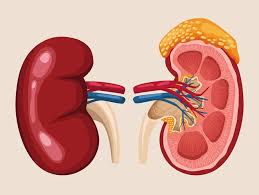
Pheochromocytoma is a rare tumor that develops in the adrenal glands, typically originating from chromaffin cells, which are responsible for producing catecholamines such as adrenaline and noradrenaline. These hormones play a crucial role in the body’s fight-or-flight response, regulating blood pressure and heart rate. When a pheochromocytoma occurs, it leads to excessive secretion of these hormones, resulting in various symptoms including severe hypertension, headaches, sweating, and palpitations. The condition can be challenging to diagnose due to its rarity and the nonspecific nature of its symptoms. Diagnosis often involves imaging studies, such as CT scans or MRIs, along with biochemical tests to measure hormone levels in the blood and urine.
What causes pheochromocytoma?
Researchers don’t know what causes this type of tumor; however, ongoing research suggests that there may be a genetic component involved, as studies have shown that individuals with a family history of certain cancers may be at an elevated risk. Furthermore, environmental factors and lifestyle choices can also play a significant role in the development of such tumors, making it a complex interplay of genetics and external influences that scientists are actively investigating in order to better understand this enigmatic condition.
Signs/Symptoms of pheochromocytoma
- Severe headaches, which can be debilitating and often occur suddenly
- High blood pressure (Hypertension)
- Palpitations
- Excessive sweating
- Anxiety or panic that can be overwhelming
- A pounding, fast or irregular heartbeat.
- Feeling shaky.
- Facial flushing
- Unexplained weight loss
- Some individuals may also report fatigue and increased urinary frequency
Management of pheochromocytoma
The management of pheochromocytoma involves a comprehensive approach that includes diagnosis, treatment, and ongoing monitoring. This rare tumor, typically found in the adrenal glands, produces excess catecholamines, leading to symptoms such as hypertension, palpitations, and anxiety.
Effective management starts with accurate diagnosis, often requiring biochemical tests to measure catecholamine levels and imaging studies like CT or MRI to locate the tumor. Once diagnosed, treatment usually involves surgical removal of the tumor, which is often the most definitive method to alleviate symptoms and prevent complications.
In cases where surgery isn’t immediately possible, or in patients with metastatic disease, medication management may be initiated. This includes the use of alpha-blockers to control hypertension and reduce symptoms before surgery. Continuous follow-up is crucial to monitor for any signs of recurrence or persistent symptoms, requiring regular visits to healthcare providers and repeat imaging as necessary, ensuring the best possible outcomes for patients with this condition.
Living with a pheochromocytoma
Most of these tumors are benign, indicating that they are not cancerous. However, it is important to note that although they are classified as benign, they still possess the capability to spread within the body. Many of these tumors, once surgically removed, will not return, providing relief to patients and a sense of normalcy in their health. Nevertheless, in a small number of cases, there remains the possibility that the tumor may recur or spread to other areas of the body. This recurrence can be concerning, as it has the potential to lead to a transformation into a malignant state, becoming cancerous over time. Therefore, ongoing monitoring and follow-up care are essential to ensure that any changes in the condition are addressed promptly.
 APOMUDEN
Leave a comment