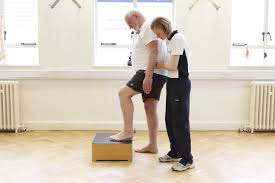
Ataxia is a term for a group of neurological conditions that affect balance, coordination, and speech; these disorders can manifest in various degrees of severity and may arise from numerous underlying causes, including genetic mutations, degenerative diseases, or injuries to the brain and spinal cord. Individuals experiencing ataxia often struggle with performing everyday tasks, as even simple movements may become challenging, leading to frustration and a diminished quality of life. The symptoms can vary widely among patients, with some exhibiting difficulty walking, while others may have trouble swallowing or maintaining their posture. Furthermore, the impact of ataxia extends beyond physical challenges, often influencing emotional health and social interactions, as individuals may feel isolated or misunderstood due to their condition.
Symptoms of ataxia
Ataxia symptoms can develop over time or start suddenly, making the experience of those affected quite variable and challenging. This neurological condition can be a symptom of several underlying nervous system disorders, reflecting a disruption in the coordination of movement and balance. it’s crucial for individuals experiencing these symptoms to seek medical advice for appropriate diagnosis and management.
- Poor coordination.
- unsteady gait
- Trouble with fine motor tasks such as eating, writing or buttoning a shirt.
- Changes in speech patterns
- problems with eye movements.
- Trouble swallowing.
Types of ataxia
- Cerebellar: This type of ataxia happens because of a problem in the cerebellum, a part of your brain that manages how different parts of the brain work together.
- Sensory: Your body has a built-in “self-positioning” sense, which lets your brain track where each body part is. An example of this is how you know where your hands and feet are, even if you can’t see them (such as with your eyes closed or in a dark room). Sensory ataxia disrupts your self-positioning sense.
- Vestibular: This type involves a problem with your inner ears, which are part of your sense of balance. With your sense of balance disrupted, it’s hard to coordinate how you move.
- Mixed: This form of ataxia presents a combination of symptoms from both cerebellar and sensory ataxia, complicating the diagnosis and treatment.
- Acquired: Acquired ataxia results from various factors, including stroke, head injury, or infections that affect the brain’s functioning.
- Hereditary: This type of ataxia is passed down through families, often due to genetic mutations that affect the cerebellum or the pathways that control movement.
- Alcoholic: Chronic alcohol abuse can lead to ataxia as it damages the cerebellum and other parts of the brain involved in coordinating movement.
Causes of ataxia
In most cases, ataxia is caused by damage to the cerebellum (a part of the brain), which is responsible for coordinating voluntary movements and maintaining balance. This condition can manifest in various ways, including difficulties with walking, balance issues, and problems with fine motor skills. It can also be caused by damage to the spinal cord or nerves, which may result from injury, inflammation, or degenerative diseases. Additionally, certain genetic disorders, vitamin deficiencies, and chronic conditions such as multiple sclerosis can contribute to the onset of ataxia, leading to a diverse range of symptoms and challenges for those affected. Understanding the underlying causes is crucial for effective diagnosis and treatment.
How is ataxia treated?
Ataxia is usually treated with supportive therapies to manage specific symptoms that can significantly impact daily living, such as speech therapy, which helps improve communication skills; physical therapy, aimed at enhancing movement and coordination; and occupational therapy, which focuses on enabling individuals to perform daily activities more independently and effectively. These therapies are tailored to meet the unique needs of each patient, as the severity and types of symptoms can vary greatly among individuals experiencing ataxia. While these approaches can provide considerable benefits in alleviating some effects of the disorder, it is important to note that there is currently no cure for hereditary ataxia, meaning that ongoing research and advancements in medical science are essential to find potential treatments or interventions that could one day alter the cause of the disease.
 APOMUDEN
Leave a comment