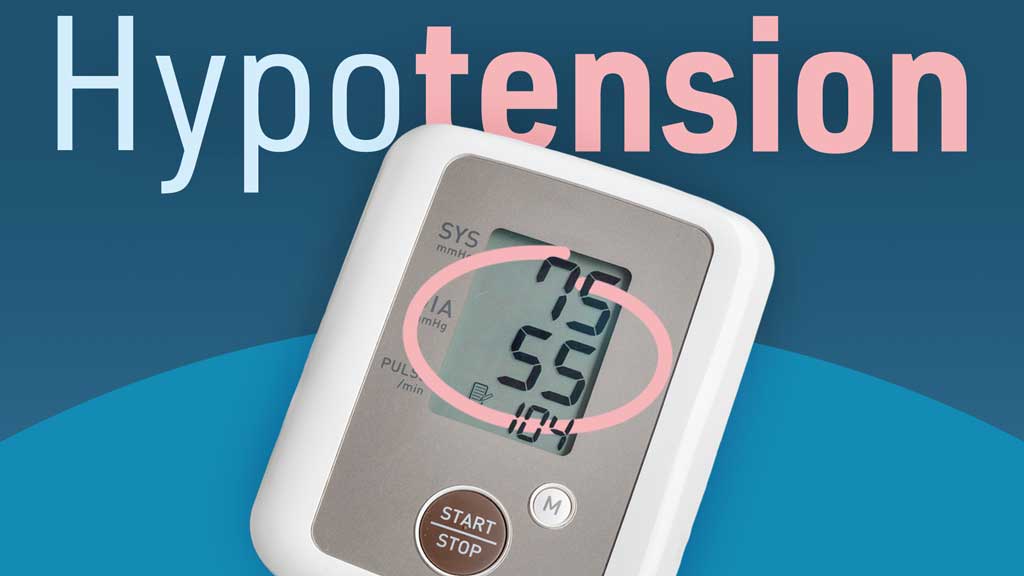
Hypotension is the medical term for low blood pressure. You have it when your blood pressure reading is much lower than normal. Blood pressure readings consist of two numbers: the top number measures systolic pressure, the pressure in the arteries when the heart beats, and the bottom number measures diastolic pressure, the pressure when the heart is at rest. The ideal blood pressure level is 120/80 mmHg. Doctors consider you to have low blood pressure when your reading is less than 90/60.
Types of low blood pressure are categorized into several distinct forms based on their underlying causes and circumstances. The most common type is
- Orthostatic hypotension, which occurs when a person experiences a sudden drop in blood pressure upon standing, often leading to dizziness or lightheadedness.
- Postprandial hypotension, which happens after eating and can result from the pooling of blood in the digestive system
- Neurally mediated hypotension, predominantly affecting younger individuals, where blood pressure drops due to a faulty nervous system response
- Multiple system atrophy with orthostatic hypotension. This rare condition affects the autonomic nervous system. Multiple system atrophy with orthostatic hypotension is linked with having very high blood pressure while lying down. It also used to be called Shy-Drager syndrome.
Causes of Low Blood Pressure
The cause of low blood pressure isn’t always clear. It may be linked to various factors that can affect the body’s ability to regulate blood flow. For instance,
- Dehydration can lead to a decrease in blood volume, resulting in lower blood pressure
- Certain medications, particularly those prescribed for hypertension, diuretics, or antidepressants, might also contribute to this condition
- Alcohol or recreational drugs: Recreational drugs and alcohol can temporarily lower your blood pressure. Herbal supplements, vitamins, and home remedies may also have this effect.
- Heart problems such as bradycardia or heart valve issues
- Endocrine disorders like adrenal insufficiency
- Pregnancy: Orthostatic hypotension is possible in the first and second trimesters of pregnancy. Bleeding or other complications of pregnancy can also cause low blood pressure.
- Extreme temperatures: Being too hot or too cold can affect hypotension and make its effects worse.
What Are the Symptoms of Low Blood Pressure?
Low blood pressure, or hypotension, can lead to a range of symptoms that may vary from person to person. Common symptoms include
- Blurred or fading vision.
- Dizzy or lightheaded feelings, particularly when standing up quickly, which can result in fainting in some cases.
- Fainting.
- Fatigue and weakness, which can hinder daily activities and impact overall quality of life
- Trouble concentrating.
- Shock
- Nausea
- Pale skin
- cold and clammy skin
- Upset stomach.
How is low blood pressure treated?
Your treatment plan will depend on what’s causing your hypotension. Your doctor will consider factors including:
- the type of hypotension you’re experiencing
- the situations that may be causing hypotension for you
Low blood pressure may not cause noticeable symptoms for some people, meaning they can go about their daily lives without being aware of any potential health issues. However, in cases where treatment is necessary due to symptoms such as dizziness, fainting, or chronic fatigue, your doctor may recommend a variety of approaches tailored to your specific situation. This could involve lifestyle changes, such as increasing salt intake, staying well-hydrated, and incorporating more physical activity into your routine. Additionally, medical treatment options may include medications designed to help raise blood pressure levels or address any underlying conditions contributing to the issue. In many cases, a combination of both lifestyle modifications and medical interventions may be the most effective strategy for managing low blood pressure and alleviating symptoms.
What are the complications of low blood pressure?
Low blood pressure, or hypotension, can lead to a variety of complications that affect overall health and well-being. When blood pressure drops too low, it may result in inadequate blood flow to vital organs, causing symptoms such as dizziness, fainting, or even shock in severe cases. Chronic low blood pressure can also make individuals more vulnerable to heart problems, as the heart must work harder to pump blood effectively. Additionally, complications such as dehydration and nutritional deficiencies may arise if low blood pressure is a result of underlying health issues, leading to further deterioration of one’s condition. Recognizing and addressing the symptoms of low blood pressure is crucial to prevent these potential complications from escalating.
 APOMUDEN
Leave a comment