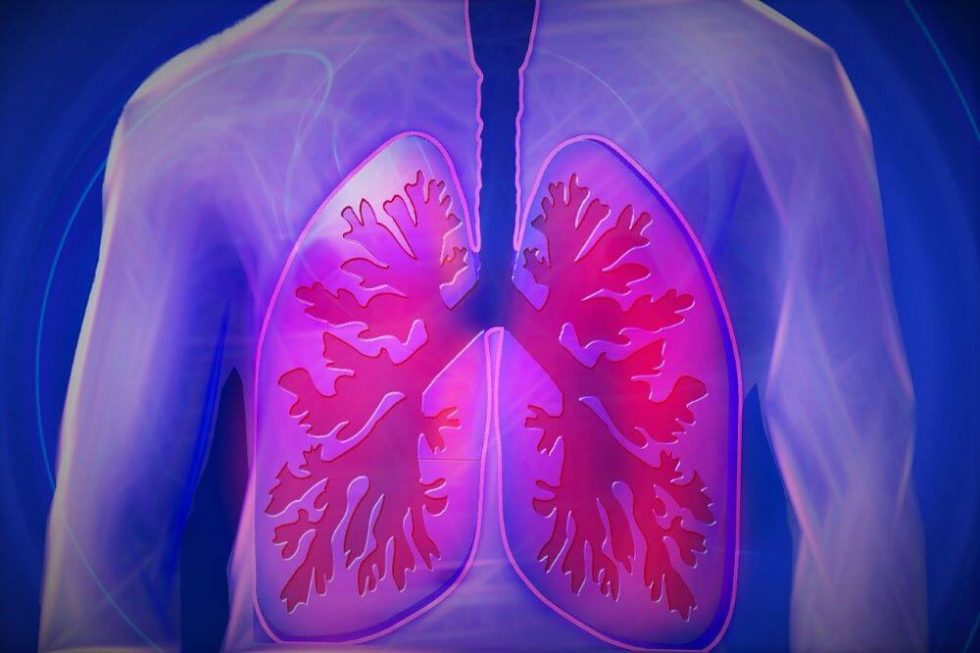
Asbestosis is a chronic lung condition caused by prolonged exposure to asbestos fibers. When these tiny fibers are inhaled, they can become lodged in the lungs, leading to inflammation and scarring over time. This scarring can make it difficult for the lungs to expand and contract properly, causing a range of respiratory symptoms such as coughing, chest tightness, and difficulty breathing. Unfortunately, asbestosis can progress even after the exposure to asbestos has ceased, often leading to severe impairment of lung function. It is crucial for individuals who have worked with or around asbestos to be aware of the potential risk and to undergo regular medical check-ups to monitor their respiratory health.
Symptoms/Signs of asbestosis
The symptoms/signs of asbestosis can vary from mild to severe and usually develop years after the initial exposure to asbestos. Common signs include shortness of breath, a persistent dry cough, chest tightness, and clubbing of the fingers. As the disease progresses, individuals may experience weight loss, fatigue, and respiratory complications. It’s important to note that the symptoms of asbestosis may resemble other respiratory conditions, so a thorough medical evaluation by a qualified healthcare professional is essential for an accurate diagnosis and appropriate management. If you have a history of asbestos exposure and are experiencing any of these symptoms, seeking medical attention promptly is crucial for early intervention and care.
Treatment and management of asbestosis
Asbestosis treatment and management typically involve a multidisciplinary approach aimed at alleviating symptoms, slowing the progression of the disease, and improving the patient’s quality of life. This may include various forms of therapy such as pulmonary rehabilitation to enhance lung function, supplemental oxygen therapy to alleviate breathing difficulties, and medication to manage symptoms such as coughing and shortness of breath.
Additionally, patients may benefit from psychological support to cope with the emotional impact of the condition and from educational programs providing information on how to minimize further exposure to asbestos. In severe cases, lung transplantation may be considered as a potential treatment option. It’s crucial for individuals diagnosed with asbestosis to work closely with healthcare professionals who specialize in respiratory diseases to receive comprehensive care and support tailored to their specific needs.
How can you prevent asbestosis?
Asbestosis can be prevented by minimizing exposure to asbestos fibers. This can be achieved by following proper safety protocols and using protective equipment when working with or around asbestos. Additionally, it is important to work in well-ventilated areas and to ensure that any asbestos-containing materials are properly maintained or removed by trained professionals. Regular health check-ups and screenings can also help in the early detection of any asbestos-related health issues. Educating oneself and others about the dangers of asbestos exposure is crucial in preventing asbestosis and other related health problems.
What products still contain asbestos?
products that contains asbestos, including but not limited to:
- Insulation materials, such as pipe lagging and sprayed coatings;
- Building materials like ceiling and floor tiles
- Automotive products such as brake pads and clutch facings;
- Some consumer products like hair dryers and pot holders.
- Some plastics, paints, coatings and adhesives.
- Vermiculite-containing attic insulation and consumer garden products.
Asbestos has been widely used in various industries, and it’s important to be aware of the potential sources to avoid exposure. If you suspect any product might contain asbestos, it’s crucial to seek professional assistance for testing and safe removal.
 APOMUDEN
Leave a comment