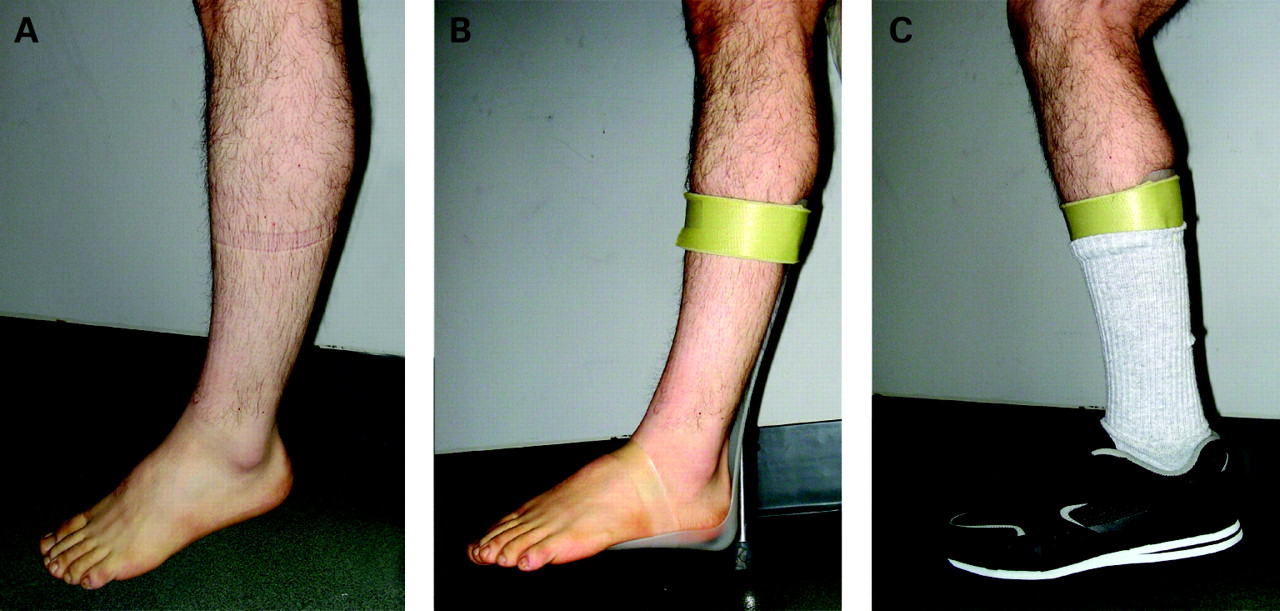
Foot drop, also known as drop foot, is a muscular weakness or paralysis that makes it difficult to lift the front part of your foot and toes. This can cause the foot to drag along the ground when walking, leading to an abnormal gait.
Causes of foot drop might include:
- Nerve injury. The most common cause of foot drop is compression of a nerve in the leg that controls the muscles involved in lifting the foot. This nerve is called the peroneal nerve. A serious knee injury can lead to the nerve being compressed. It can also be injured during hip or knee replacement surgery, which may cause foot drop. A nerve root injury — “pinched nerve” — in the spine also can cause foot drop. People who have diabetes are more susceptible to nerve disorders, which are associated with foot drop. Additionally, prolonged periods of sitting cross-legged or squatting can also contribute to the compression of the peroneal nerve, leading to foot drop.
- Muscle or nerve disorders. Various forms of muscular dystrophy, an inherited disease that causes progressive muscle weakness, can contribute to foot drop. So can other neurologic disorders, such as polio or Charcot-Marie-Tooth disease. These conditions can significantly impact mobility and may require ongoing support and management to maintain quality of life.
- Brain and spinal cord disorders. Disorders that affect the spinal cord or brain — such as stroke, multiple sclerosis or amyotrophic lateral sclerosis (ALS) — may cause foot drop. In some cases, these disorders can also lead to muscle weakness, making it difficult for individuals to lift the front part of the foot.
Risk factors of foot drop
- Neurological conditions such as stroke, multiple sclerosis, or cerebral palsy, which can affect the nerves responsible for controlling the muscles in the lower leg and foot. Additionally, nerve damage due to diabetes, spinal cord injury, or other trauma can also contribute to the development of foot drop.
- Muscular conditions like muscular dystrophy, amyotrophic lateral sclerosis (ALS), or injury to the muscles and tendons in the lower leg can also lead to this condition
- prolonged immobilization, such as being bedridden for an extended period, or wearing a cast that restricts movement can increase the risk of developing foot drop
- Leg crossing. People who habitually cross their legs can compress the peroneal nerve on their uppermost leg.
It’s important to note that certain medications, as well as conditions that affect circulation and blood flow to the lower extremities, can also be associated with an increased risk of foot drop.
Treatment of foot drop
The treatment of foot drop typically involves a combination of therapeutic exercises, assistive devices, and sometimes surgical intervention. Therapeutic exercises, such as stretching and strengthening exercises, can help improve muscle strength and flexibility in the affected foot and ankle.
Assistive devices like ankle-foot orthoses (AFOs) are often used to provide support and maintain proper alignment of the foot and ankle during walking. In cases where conservative measures are ineffective, surgical options such as tendon transfer or nerve decompression may be considered to help restore function and mobility.
Additionally, electrical stimulation therapy can be utilized to activate the muscles and improve their function. It’s important to consult with a healthcare professional to determine the most suitable treatment approach based on the underlying cause and severity of the foot drop.
Can foot drop fix itself?
Foot drop can go away if it’s caused by temporary issues like nerve inflammation or minor nerve damage, but it may require treatment. For those with chronic conditions, it’s likely permanent. Since there are various causes, a healthcare provider can provide a proper diagnosis.
 APOMUDEN
Leave a comment