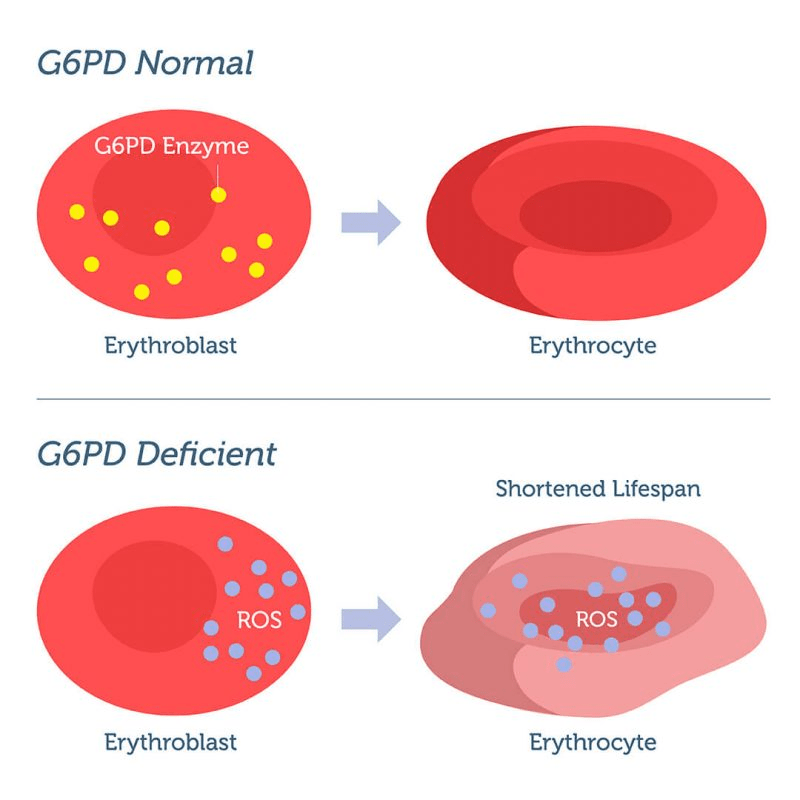
Glucose-6-phosphate dehydrogenase (G6PD) is an essential enzyme that plays a vital role in protecting red blood cells from oxidative damage. It is integral to the proper functioning of these cells, which are responsible for transporting oxygen throughout the body. G6PD deficiency, a genetic condition, results in reduced or deficient levels of this enzyme, leading to increased vulnerability to oxidative stress and potential hemolytic anemia. This condition primarily affects red blood cells and is linked to specific triggers such as certain medications, infections, and consumption of fava beans.
G6PD is a vital enzyme responsible for maintaining the health of red blood cells to ensure they function optimally and have a normal lifespan. When there is insufficient G6PD, red blood cells break down prematurely, leading to a condition known as hemolysis, and potentially resulting in hemolytic anemia.
Hemolytic anemia occurs when red blood cells are destroyed at a faster rate than the body can regenerate them, causing a reduction in the delivery of oxygen to the body’s organs and tissues. This diminished oxygen flow can manifest as symptoms such as fatigue, yellowing of the skin and eyes (jaundice), and breathlessness. It’s crucial to monitor and manage G6PD levels to mitigate the risk of hemolytic anemia and its associated health implications.
This deficiency is most prevalent in Africa, where it can affect up to 20 percent of the population, making it a significant public health concern in that region. What’s notable is that the condition is more common in men than in women.
In people with G6PD deficiency, hemolytic anemia can occur after eating fava beans or certain legumes. It may also be triggered by infections or by certain drugs, such as:
- antimalarials, a type of medication used to prevent and treat malaria
- sulfonamides, a medication used for treating various infections
- aspirin, a drug used for relieving fever, pain, and swelling
- some nonsteroidal anti-inflammatory medications (NSAIDs)
Causes of G6PD deficiency
G6PD deficiency is a genetic condition, most commonly affecting males. The deficiency results from inheriting a mutated G6PD gene from both parents. Certain factors such as infections, certain medications (e.g., antimalarial drugs, sulfa antibiotics), and consumption of fava beans can trigger symptoms in individuals with G6PD deficiency.
signs/ symptoms of G6PD
- Jaundice: Yellowing of the skin and the whites of the eyes.
- Dark urine: The urine may appear dark, red, or brown due to the presence of excess bilirubin.
- Fatigue: Feeling unusually tired or weak.
- Pallor: Paleness, particularly in the face and other mucous membranes.
- Rapid heart rate: The heart may beat faster than normal.
- Shortness of breath: Difficulty breathing, especially with physical activity.
- Enlarged spleen: The spleen may become enlarged and palpable.
- Fever: Elevated body temperature, often associated with certain triggers.
- Abdominal pain: Discomfort or pain in the abdominal region.
- Muscle weakness: Decreased muscle strength and endurance.
Foods to avoid when you have G6PD
- Fava beans
- Blueberries
- Beetroot
- Kimchi
- Peanuts
- Lentils
- Soy products
- Vitamin K supplements
- Bitter melon
- Tonic water
Medications to avoid when you have G6PD
When managing G6PD deficiency, it’s crucial to be aware of medications that could potentially trigger hemolysis. Avoiding certain drugs is essential to prevent complications. Some of the medications to steer clear of include:
- Antimalarial drugs like Primaquine and Chloroquine
- Sulfonamides such as Sulfamethoxazole
- Pain relievers like Acetanilid, Acetophenetidin, and Phenazopyridine
- Antibiotics including Nitrofurantoin, Sulfacetamide, and Sulfamethoxazole
- Antipyretic drugs like Phenazopyridine and Aspirin
Always consult with a healthcare professional before taking any medications, as some substances not listed here could also have adverse effects on individuals with G6PD deficiency.
 APOMUDEN
Leave a comment