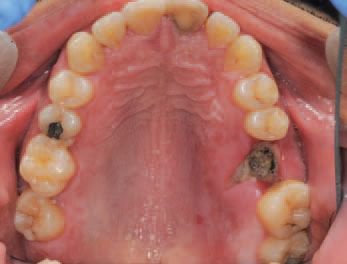
Alveolar osteitis is a painful dental condition that occurs after the extraction of a permanent tooth, especially the lower third molar. Commonly known as “dry socket,” this condition involves inflammation of the alveolar bone in the tooth socket. Patients typically experience throbbing pain, bad breath, and an unpleasant taste in the mouth. Treatment often involves the placement of a medicated dressing in the socket to alleviate discomfort and promote healing. It’s important for individuals who have undergone tooth extraction to follow post-operative care instructions provided by their dentist to minimize the risk of developing alveolar osteitis.
Factors that can increase your risk of developing dry socket include:
When it comes to dental health, it’s important to consider various factors that can affect the healing process after a tooth extraction. For instance, smoking and tobacco use have been known to have detrimental effects on healing. The chemicals present in cigarettes or other forms of tobacco can interfere with the healing process and potentially lead to complications such as dry socket. Additionally, the act of sucking on a cigarette can disrupt the formation of a blood clot, which is crucial for proper healing following tooth extraction.
Another factor to consider is the use of birth control pills. High estrogen levels from birth control pills can impact the body’s ability to heal and may increase the risk of developing dry socket after a tooth extraction. It’s important for individuals using birth control pills to be aware of this potential risk and discuss it with their healthcare providers.
Inadequate at-home care and poor oral hygiene practices can also contribute to the risk of developing dry socket. Not following the recommended home-care instructions provided by a dentist and neglecting proper mouth care can increase the likelihood of complications following a tooth extraction.
Furthermore, existing or previous tooth or gum infections in the area where the tooth was removed can elevate the risk of dry socket. It’s essential to address any infections before undergoing a tooth extraction to minimize the chances of developing complications during the healing process.
Understanding these risk factors and taking appropriate precautions can significantly contribute to ensuring a smooth and successful recovery following a tooth extraction.
 APOMUDEN
Leave a comment