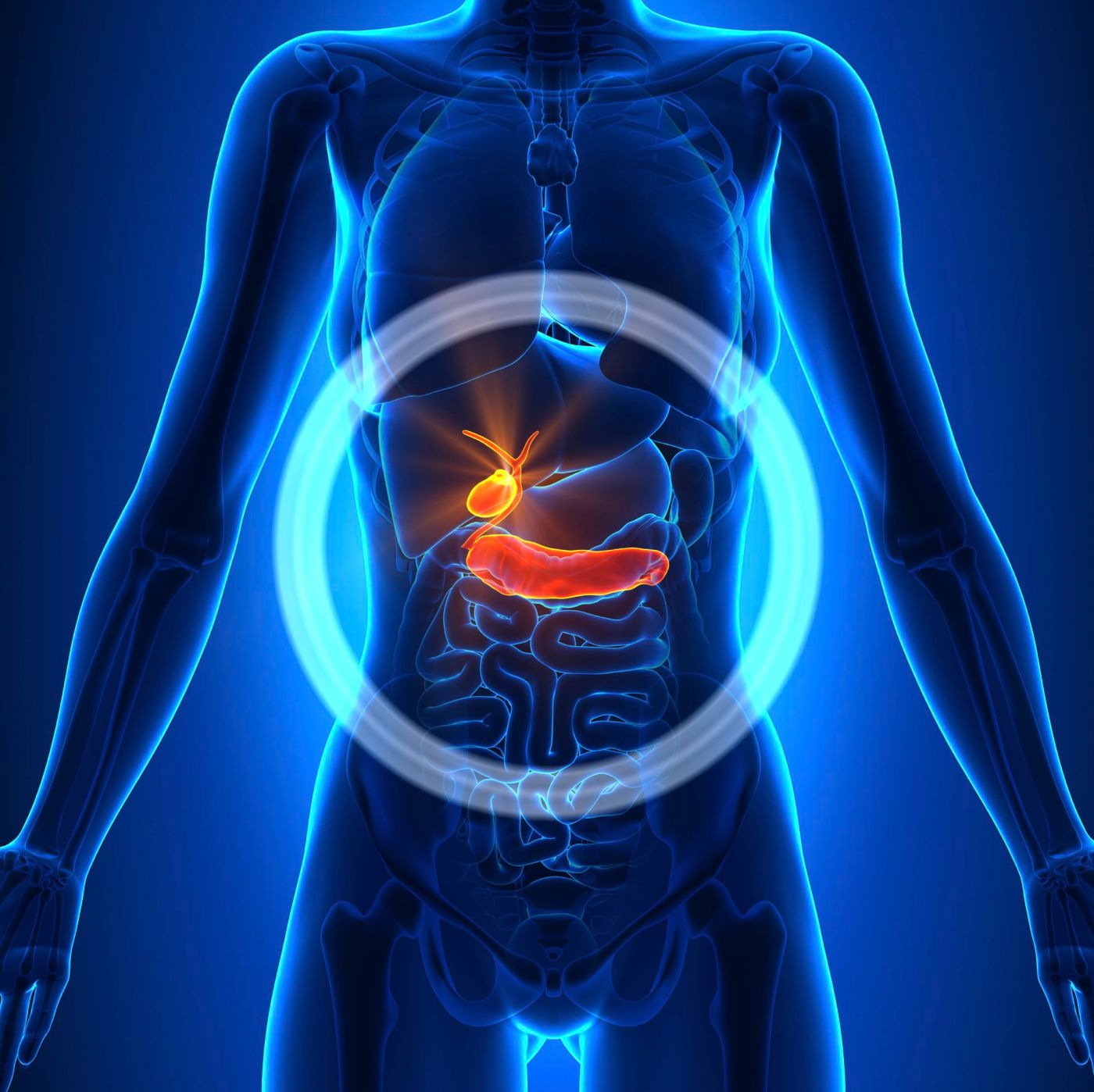
Acute cholecystitis is a medical condition that refers to the inflammation of the gallbladder. The gallbladder is a small, pear-shaped organ located beneath the liver, on the right side of the abdomen. It plays a crucial role in the digestive process by storing and concentrating bile, a substance produced by the liver that helps in the breakdown and absorption of fats.
When someone develops acute cholecystitis, it usually occurs due to the blockage of the cystic duct, a small tube that connects the gallbladder to the common bile duct. This obstruction can be caused by the presence of gallstones, which are hardened deposits that form inside the gallbladder. When the cystic duct is blocked, it leads to the buildup of bile, increasing pressure within the gallbladder and causing inflammation.
The most common symptoms of acute cholecystitis include severe abdominal pain in the upper right area, accompanied by tenderness and swelling. The pain can be persistent and radiate to the back or shoulder. Other symptoms may include nausea, vomiting, fever, and jaundice (yellowing of the skin and eyes).
If left untreated, acute cholecystitis can lead to complications such as the formation of pus-filled pockets within the gallbladder, a condition called empyema, or even the rupture of the gallbladder. Therefore, prompt medical attention is crucial to avoid further complications.
Diagnosis of acute cholecystitis typically involves a combination of physical examination, blood tests to check for signs of infection or inflammation, and imaging tests such as ultrasound or CT scan to visualize the gallbladder and detect any abnormalities.
Treatment for acute cholecystitis often involves a combination of pain management, antibiotic therapy to fight off infection, and, in most cases, surgical removal of the gallbladder. This procedure, known as cholecystectomy, can be done through traditional open surgery or minimally invasive laparoscopic surgery.
After the gallbladder is removed, the body can still digest and absorb fats adequately, as bile will flow directly from the liver into the small intestine instead of being stored in the gallbladder. Most people can lead a normal, healthy life without a gallbladder.
It is essential to follow a balanced and healthy diet after gallbladder removal, avoiding excessive consumption of fatty and greasy foods, as they may lead to digestive discomfort. Making dietary modifications and maintaining a healthy weight can help prevent the formation of gallstones and reduce the risk of developing acute cholecystitis in the future.
In conclusion, acute cholecystitis is the inflammation of the gallbladder often caused by the blockage of the cystic duct due to gallstones. Prompt medical attention and appropriate treatment are necessary to alleviate symptoms and prevent complications.
 APOMUDEN
Leave a comment