Diabetic ketoacidosis is a serious medical condition that can occur in individuals with diabetes, specifically those with type 1 diabetes or poorly controlled type 2 diabetes. It is characterized by high levels of ketones in the blood, which are acidic byproducts of the body breaking down fat for energy when there is insufficient insulin to use glucose.
This condition typically develops when there is a shortage of insulin in the body, causing glucose to build up in the bloodstream. As a result, the body starts using stored fat as an alternative source of energy. However, the breakdown of fat produces ketones, which can accumulate to dangerous levels. If left untreated, diabetic ketoacidosis can lead to a diabetic coma or even be life-threatening.
It is essential for individuals with diabetes to monitor their blood sugar levels regularly, take insulin or diabetes medications as prescribed, follow a balanced diet, and maintain a healthy lifestyle to prevent the development of diabetic ketoacidosis. Regular communication with healthcare professionals and adherence to prescribed treatments are vital for effectively managing diabetes and reducing the risk of complications such as diabetic ketoacidosis.
causes of Diabetic ketoacidosis:
- Insulin deficiency: Diabetic ketoacidosis (DKA) often occurs in individuals with type 1 diabetes who have a significant lack of insulin in their bodies. Without enough insulin, glucose cannot enter cells for energy, leading to the breakdown of fat as an alternative fuel source. This breakdown produces ketones, which accumulate in the bloodstream, resulting in ketoacidosis.
- Missed insulin doses: Skipping or insufficient administration of insulin can contribute to the development of diabetic ketoacidosis. It is crucial for individuals with diabetes to adhere to their prescribed insulin regimen to maintain stable blood sugar levels and prevent the onset of DKA.
- Illness or infection: When the body is under stress from an illness or infection, it can trigger the release of hormones that raise blood sugar levels. This, combined with decreased insulin effectiveness during illness, can lead to DKA. Common infections such as urinary tract infections or respiratory infections can be potential triggers.
- High-carbohydrate intake: Consuming excessive amounts of carbohydrates without administering enough insulin can result in elevated blood sugar levels, leading to DKA. It is important for individuals with diabetes to carefully monitor their carbohydrate intake and appropriately adjust their insulin dosage to maintain glucose control.
- Emotional or physical stress: Stress, whether from emotional sources like trauma or physical sources like surgery, can cause a surge in stress hormones (glucagon and cortisol), which increase blood glucose levels. Insufficient insulin action during times of stress can lead to the development of DKA.
- Undiagnosed diabetes: In some cases, diabetic ketoacidosis can be the first sign that an individual has diabetes. Undiagnosed diabetes leads to untreated hyperglycemia, causing excessive ketone production and subsequent DKA.
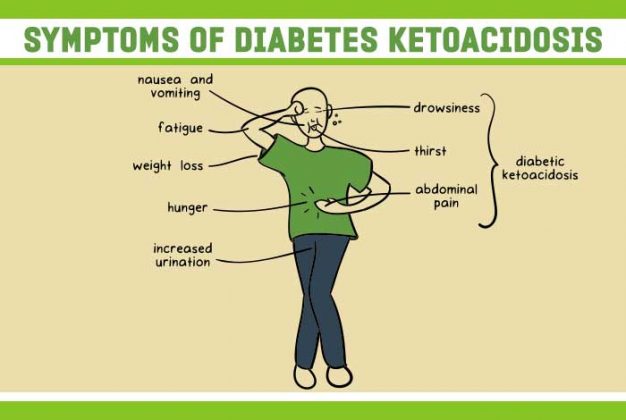
signs and symptoms of diabetic ketoacidosis:
- Excessive thirst: Diabetic ketoacidosis can cause extreme thirst as a result of dehydration caused by high blood sugar levels.
- Frequent urination: Increased blood sugar levels can lead to greater urine production, causing frequent trips to the bathroom.
- Abdominal pain: Some individuals with diabetic ketoacidosis may experience stomach pain, often accompanied by nausea and vomiting.
- Fatigue and weakness: High blood sugar levels can make it difficult for cells to receive the energy they need, leading to feelings of tiredness and weakness.
- Rapid weight loss: If left untreated, diabetic ketoacidosis can cause a significant loss of weight in a short amount of time.
- Dry mouth and dry skin: Dehydration resulting from elevated blood sugar levels can lead to dryness in the mouth and skin.
- Breath odor: The presence of ketones in the body can cause a fruity or acetone-like odor on the breath.
- Rapid and deep breathing: As the body tries to compensate for the acidic environment, it may increase the rate and depth of breathing.
- Confusion or difficulty concentrating: High blood sugar levels can affect brain function, leading to confusion and difficulty focusing.
- Blurred vision: Changes in fluid levels in the body can affect the shape of the lens in the eye, resulting in blurred vision.
Treatment of Diabetic Ketoacidosis
In the treatment of Diabetic ketoacidosis, prompt medical intervention is crucial to stabilize the patient’s condition and prevent further complications. The primary goal is to correct the underlying cause of ketoacidosis, namely high blood sugar levels and ketone accumulation. Here are some essential aspects of the treatment:
- Intravenous Fluids: Administration of intravenous fluids is vital to replenish the body’s lost fluids and correct dehydration. This helps improve blood pressure and maintain adequate circulation.
- Insulin Therapy: Insulin is administered intravenously to lower blood glucose levels and inhibit the production of ketones. Regular monitoring of blood glucose levels is necessary to adjust the insulin dosage accordingly.
- Electrolyte Replacement: During diabetic ketoacidosis, electrolyte imbalances may occur due to excessive urination and dehydration. Close monitoring and supplementation of electrolytes such as potassium and sodium are essential to restore balance.
- Acidosis Correction: When diabetic ketoacidosis occurs, the blood becomes acidic. To reverse this, healthcare professionals may administer a solution such as sodium bicarbonate to normalize the body’s pH levels.
- Monitoring Vital Signs: Constant monitoring of vital signs, including blood pressure, heart rate, and oxygen saturation, is crucial to ensure the patient’s stability and detect any potential complications.
- Underlying Condition Management: Treating the underlying cause of diabetic ketoacidosis is equally important. For instance, identifying and managing any infection or illness that triggered the condition is crucial in preventing its recurrence.
Complications of Diabetic ketoacidosis
Complications of Diabetic ketoacidosis can be serious and potentially life-threatening if not treated promptly. One of the main complications is cerebral edema, which occurs when there is swelling of the brain. This is more common in children and can lead to neurological deficits or even death if not managed appropriately. Another complication is acute kidney injury, which can result from the dehydration and electrolyte imbalances associated with diabetic ketoacidosis. It is important to monitor kidney function closely during treatment. Cardiovascular complications such as heart attack or arrhythmias may also occur due to the metabolic derangements caused by diabetic ketoacidosis. Infections, particularly urinary tract infections or pneumonia, can be a trigger for developing diabetic ketoacidosis and can further complicate the condition. Other potential complications include respiratory distress, hypoglycemia after treatment, and electrolyte imbalances like hypokalemia. It is crucial to seek medical attention promptly if any symptoms of diabetic ketoacidosis arise to prevent these complications and ensure proper management. Remember, early intervention and diligent monitoring are key to avoiding these potentially serious consequences.
 APOMUDEN
Leave a comment