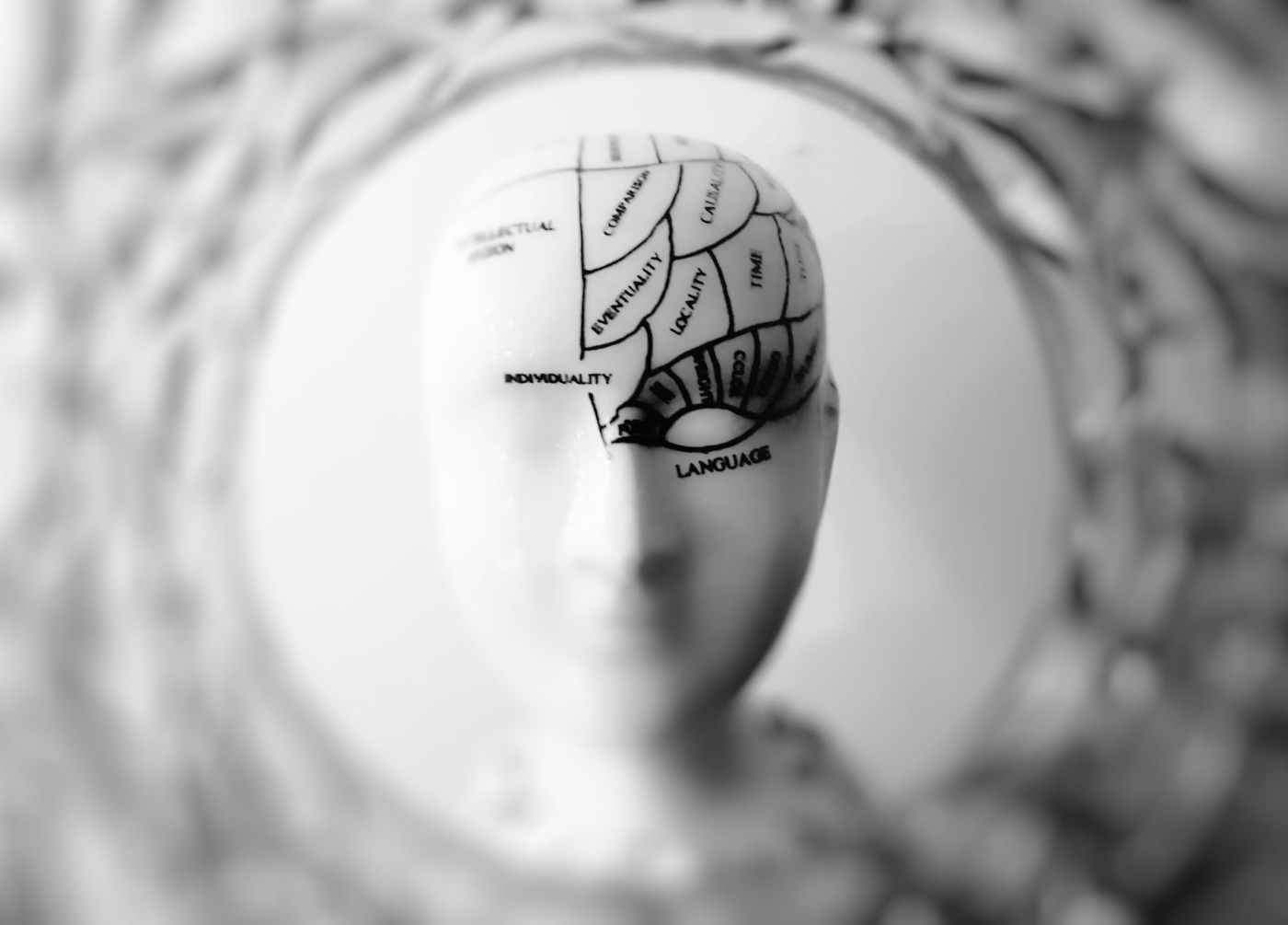
Aphasia is a communication disorder that affects a person’s ability to comprehend and produce language. It is typically caused by damage to the language centers of the brain, which can occur as a result of stroke, brain injury, or certain neurological conditions.
Individuals with aphasia may have difficulty finding the right words to express themselves or understanding what others are saying. They may also struggle with reading and writing. The severity of aphasia can vary widely, with some individuals experiencing mild language difficulties while others may lose the ability to speak or understand language entirely.
Causes of Aphasia
- Stroke: The most common cause of aphasia is a stroke, which happens when the blood supply to the brain is interrupted. Strokes can be ischemic (caused by a blood clot) or hemorrhagic (caused by bleeding in the brain). The damage caused by a stroke in the language centers of the brain can lead to aphasia.
- Traumatic Brain Injury (TBI): Severe head injuries resulting from accidents, falls, or sports-related incidents can also cause aphasia. TBI can disrupt the normal functioning of the brain, affecting language abilities.
- Brain Tumor: A tumor in the brain, especially if it is located in areas responsible for language processing, can damage surrounding brain tissue and cause aphasia.
- Degenerative Diseases: Progressive neurological conditions such as Alzheimer’s disease, Parkinson’s disease, and Frontotemporal dementia can all lead to aphasia as the disease progresses and affects the brain’s language centers.
- Infections and Inflammation: Certain infections and inflammatory conditions that affect the brain, such as encephalitis or meningitis, can cause damage to the language centers and result in aphasia.
- Brain Surgery: In some cases, brain surgery to treat conditions like brain tumors or epilepsy can inadvertently damage areas responsible for language processing, leading to aphasia.
- Other Causes: Aphasia can also occur as a result of other factors, such as brain radiation therapy, drug abuse, and certain genetic disorders. Some individuals may also develop aphasia without a clear identifiable cause.
Signs/Symptoms of Aphasia
- Difficulty speaking: People with aphasia may struggle to find the right words or form coherent sentences. They might experience word-finding difficulties, use incorrect words, or speak in a jumbled manner.
- Trouble understanding: Aphasia can also impair a person’s ability to comprehend spoken or written language. They may struggle to understand conversations, instructions, or written text.
- Writing difficulties: Individuals with aphasia may have trouble putting their thoughts into writing. They might exhibit spelling errors, grammatical mistakes, or struggle with sentence structure.
- Difficulty reading: Aphasia can affect a person’s reading skills, making it challenging to understand written words or sentences. They may have difficulty recognizing familiar words or understanding the meaning of passages.
- Non-fluent speech: Some individuals with aphasia may struggle with non-fluent speech. This includes slow and labored speech, difficulty initiating speech, or using short and simplified sentences.
- Word retrieval problems: People with aphasia may experience difficulty recalling specific words or names. They may resort to using general terms or placeholders instead.
- Mixing up words: Aphasia can cause individuals to substitute one word for another (e.g., “dog” instead of “cat”) or use words that are unrelated or irrelevant to the conversation.
Treatment of Aphasia
- Speech and Language Therapy:
- Speech and language therapy is the primary treatment for aphasia. It involves working with a speech-language pathologist who specializes in treating communication disorders.
- Therapists use a variety of techniques to help individuals with aphasia regain their language skills. These techniques may include word retrieval exercises, reading and writing practice, and conversation practice.
- Therapy sessions may be one-on-one or in a group setting, depending on the individual’s needs and goals.
- Augmentative and Alternative Communication (AAC):
- For individuals who have severe difficulty speaking or understanding spoken language, augmentative and alternative communication (AAC) can be an effective treatment option.
- AAC involves using tools and techniques such as communication boards, electronic devices, or computer-based systems to help individuals communicate.
- These systems can provide visual or auditory cues to support understanding and expression of language.
- Cognitive Rehabilitation:
- Aphasia can often be accompanied by cognitive impairments, such as difficulties with memory, attention, and problem-solving.
- Cognitive rehabilitation focuses on improving cognitive skills through targeted exercises and strategies.
- Activities may include memory games, attention training, and problem-solving tasks to help individuals with aphasia regain their cognitive abilities.
- Technology-Based Interventions:
- With advancements in technology, there are now various apps and software available that specifically target aphasia treatment.
- These tools can provide additional support and practice for individuals with aphasia, allowing them to continue their therapy at home or in everyday situations.
- Examples include speech therapy apps, language games, and communication aids.
- Support Groups:
- Joining a support group can be beneficial for individuals with aphasia and their families.
- Support groups provide an opportunity to connect with others who are facing similar challenges, share experiences, and receive emotional support.
- It can also be a place to practice communication skills in a safe and understanding environment.
others.
Complications of Aphasia:
Aphasia can have a range of complications and challenges that individuals may face in their daily lives. These complications can vary depending on the severity and type of aphasia a person experiences. Understanding these potential complications can help individuals and their caregivers navigate the complexities of living with aphasia. Here are some common complications associated with aphasia:
- Social Isolation: Communication difficulties caused by aphasia can often lead to social isolation. People with aphasia may find it challenging to engage in conversations or participate in social activities, which can result in feelings of loneliness and withdrawal.
- Emotional Impact: Aphasia can have a profound emotional impact on individuals. Difficulty expressing thoughts, understanding others, and losing the ability to communicate effectively can lead to frustration, anxiety, depression, and lowered self-esteem.
- Difficulty with Daily Activities: Aphasia can impact a person’s ability to perform everyday tasks. Reading labels, following instructions, writing emails, making phone calls, or even ordering food at a restaurant can become challenging, affecting an individual’s independence and overall quality of life.
- Impaired Relationships: The communication barriers caused by aphasia can strain relationships with family, friends, and loved ones. Others may struggle to understand the person with aphasia, leading to misunderstandings or unintentional exclusion.
- Occupational Challenges: For those whose work heavily relies on communication skills, aphasia can significantly impact their professional lives. Difficulties with speaking, writing, or understanding verbal instructions can limit job opportunities and career advancements.
- Safety Concerns: Aphasia can pose safety risks, particularly in emergency situations. People with aphasia may struggle to communicate vital information to healthcare professionals or emergency responders, leading to potential delays or misunderstandings in receiving appropriate medical care.
Remember, patience, empathy, and effective communication strategies are key in supporting individuals with aphasia and helping them navigate the challenges they face on a daily basis.
 APOMUDEN
Leave a comment