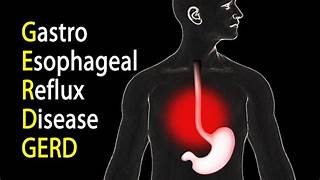
Gastroesophageal reflux disease, commonly known as GERD, is a chronic condition that affects the digestive system. It occurs when the contents of the stomach flow back into the esophagus, causing a variety of uncomfortable symptoms. The primary cause of GERD is a weakened lower esophageal sphincter (LES), which is the muscle that acts as a barrier between the esophagus and the stomach.
Causes of Gastroesophageal reflux disease:
While the exact cause of GERD is not fully understood, there are several factors that can contribute to its development. Here are seven potential causes:
- Hiatal hernia: A hiatal hernia occurs when the upper part of the stomach bulges through the diaphragm into the chest cavity. This can weaken the lower esophageal sphincter (LES), the muscle that normally prevents acid reflux, leading to GERD.
- Weak lower esophageal sphincter: Certain factors such as obesity, smoking, and certain medications can weaken the LES, allowing stomach acid to flow back into the esophagus.
- Dietary triggers: Certain foods and beverages can trigger GERD symptoms, such as spicy foods, citrus fruits, tomatoes, chocolate, caffeine, and carbonated drinks. Identifying and avoiding these triggers can help manage GERD symptoms.
- Obesity: Excess weight can put pressure on the abdomen, pushing stomach acid into the esophagus. This can increase the risk of developing GERD or worsen existing symptoms.
- Pregnancy: Hormonal changes during pregnancy can relax the LES, allowing stomach acid to reflux into the esophagus. This commonly leads to heartburn and GERD symptoms in pregnant women.
- Smoking: Smoking weakens the LES and impairs the function of the esophageal muscles, increasing the risk of acid reflux and GERD.
- Certain medications: Some medications, such as nonsteroidal anti-inflammatory drugs (NSAIDs), calcium channel blockers, sedatives, and certain asthma medications, can relax the LES or increase stomach acid production, contributing to GERD development.
It is important to note that while these factors may increase the risk of developing GERD, not everyone with these risk factors will develop the condition. If you experience persistent acid reflux symptoms or suspect you have GERD, it is recommended to consult a healthcare professional for proper diagnosis and management.
Symptoms of Gastroesophageal reflux disease
If you suspect you may be experiencing GERD, here are 7 common symptoms to be aware of:
- Heartburn: One of the most common symptoms of GERD is a burning sensation in the chest, often referred to as heartburn. It typically occurs after eating and can last for several hours.
- Regurgitation: This is when stomach acid and undigested food flow back up into the throat, causing a bitter taste and a feeling of “liquid” coming up into the mouth. Regurgitation can be quite unpleasant and may even lead to coughing or choking.
- Difficulty Swallowing: Also known as dysphagia, difficulty swallowing is another symptom of GERD. It may feel like food is getting stuck in the throat or chest, making it uncomfortable and sometimes painful to eat or drink.
- Chest Pain: While GERD-related chest pain is often mistaken for a heart attack, it usually differs in character and intensity. It is typically a burning or squeezing sensation that can occur after a meal or when lying down.
- Chronic Cough: If you have a persistent cough that doesn’t seem to go away despite taking cough medication, it could be a symptom of GERD. The refluxed stomach acid irritates the throat and triggers coughing.
- Hoarseness or Sore Throat: When stomach acid repeatedly comes into contact with the vocal cords, it can result in hoarseness or a sore throat. This symptom is more common in those who use their voice extensively, such as singers or public speakers.
- Bad Breath: Acid regurgitation can lead to an unpleasant odor in your breath, often described as “acidic” or “sour.” This is due to the stomach acid lingering in the throat and mouth.
Treatment of Gastroesophageal reflux disease
Managing GERD requires a multidimensional approach, including lifestyle modifications, medication, and sometimes surgical intervention.
Lifestyle modifications play a crucial role in reducing GERD symptoms. Patients are advised to maintain a healthy weight, as excess weight can put pressure on the stomach and worsen reflux. Avoiding trigger foods, such as spicy, fatty, or acidic items, can also help alleviate symptoms. Additionally, it is recommended to eat smaller, more frequent meals and avoid lying down for at least two hours after eating.
Medications can be effective in managing GERD. Proton pump inhibitors (PPIs) are commonly prescribed to reduce stomach acid production. They work by blocking an enzyme in the stomach lining that produces acid. Antacids, which neutralize stomach acid, can provide temporary relief from symptoms. H2-receptor blockers, another type of medication, can also reduce acid production in the stomach.
For some individuals, lifestyle modifications and medications may not be sufficient in controlling GERD symptoms. In these cases, surgical intervention may be considered. One common surgical procedure is fundoplication, where the upper part of the stomach is wrapped around the lower esophagus to prevent acid reflux. Another option is the LINX device, a magnetic ring placed around the esophagus to strengthen the sphincter and prevent acid from flowing back into the esophagus.
Complications of Gastroesophageal Reflux Disease
When left untreated, GERD can lead to several complications, some of which may have a significant impact on a person’s quality of life. These complications can range from mild discomfort to potentially serious health issues. Let’s explore a few of them:
- Esophagitis: GERD can cause inflammation of the esophagus, leading to a condition called esophagitis. Symptoms may include difficulty swallowing, painful swallowing, and chest pain. Esophagitis, if left untreated, can further progress to more severe complications.
- Esophageal Stricture: Chronic acid reflux can result in the formation of scar tissue in the esophagus. Over time, this scar tissue can narrow the esophagus, causing swallowing difficulties. This condition is known as an esophageal stricture and may require medical intervention such as dilation or surgery to alleviate the symptoms.
- Barrett’s Esophagus: In some cases, chronic GERD can cause changes in the lining of the esophagus, leading to a condition known as Barrett’s esophagus. This condition increases the risk of developing esophageal cancer. Regular monitoring and screening are crucial for individuals with Barrett’s esophagus to detect any precancerous or cancerous cells early.
- Respiratory Problems: GERD can trigger respiratory symptoms such as asthma, chronic cough, and recurrent pneumonia. The backflow of stomach acid into the throat and lungs can irritate the airways, leading to respiratory complications.
- Dental Issues: The constant exposure of tooth enamel to gastric acid from frequent acid reflux episodes can result in dental problems. Tooth erosion and tooth sensitivity are common in individuals with
 APOMUDEN
Leave a comment