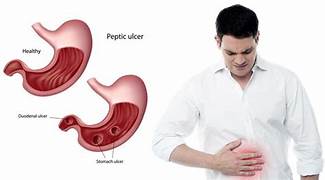
A peptic ulcer, also known as gastric or duodenal ulcer, is a common medical condition characterized by a sore that forms on the lining of the stomach or the upper part of the small intestine. This condition is primarily caused by the imbalance between digestive fluids, stomach acid, and the protective barrier of the stomach lining.
Causes of Peptic Ulcer
There are multiple factors that contribute to the development of peptic ulcers. These factors include:
1. Helicobacter pylori infection: This is the most common cause of peptic ulcers. H. pylori is a bacterium that infects the lining of the stomach and small intestine, leading to inflammation and ulcer formation.
2. Nonsteroidal anti-inflammatory drugs (NSAIDs): Prolonged use of NSAIDs, such as aspirin and ibuprofen, can increase the risk of developing peptic ulcers. These medications can irritate the stomach lining and decrease protective mucus production.
3. Excessive acid production: Certain medical conditions, like Zollinger-Ellison syndrome, can cause the stomach to produce excessive amounts of stomach acid. This excess acid can erode the lining of the stomach and lead to the formation of ulcers.
4. Smoking: Smoking has been shown to increase the risk of peptic ulcer development. It can also delay the healing process and increase the likelihood of ulcer recurrence.
5. Alcohol consumption: Excessive alcohol intake can irritate the stomach lining, leading to inflammation and ulcers. Alcohol can also interfere with the healing process of existing ulcers.
6. Stress and psychological factors: While stress alone does not directly cause peptic ulcers, it can increase the susceptibility to ulcers and worsen symptoms in individuals already affected.
7. Genetic predisposition: Some individuals may have a genetic predisposition to developing peptic ulcers. Family history of ulcers can increase the risk in certain cases.
8. Other factors: Other less common causes of peptic ulcers include radiation therapy, certain medical conditions (Crohn’s disease, sarcoidosis), and tumors in the stomach or pancreas. It’s essential to identify the underlying causes of peptic ulcers in order to determine the most suitable treatment approach and prevent their recurrence. Consulting a healthcare professional is recommended for proper diagnosis and management.
Signs of Peptic Ulcer
Typically, individuals experiencing peptic ulcers may encounter symptoms such as abdominal pain, which can range from a dull ache to a sharp, burning sensation. This discomfort may be intensified when the stomach is empty or at night. Additionally, individuals may experience bloating, belching, nausea, vomiting, and a decreased appetite. In some cases, peptic ulcers can lead to weight loss and even gastrointestinal bleeding, which may result in the presence of blood in the stool or vomit. Recognizing these signs is crucial as it allows for prompt medical intervention, leading to appropriate treatment plans and a better prognosis. It is important to note that if you suspect you may have a peptic ulcer, it is always recommended to consult with a healthcare professional for an accurate diagnosis and proper management.
Symptoms of Peptic Ulcer
Symptoms of peptic ulcer are the warning signs that indicate the presence of this condition. Peptic ulcers can cause various discomforts and may vary in severity. The symptoms typically include abdominal pain, which can range from a dull ache to a sharp, burning sensation. This pain is often localized in the upper abdomen and can be worsened by eating or drinking acidic or spicy foods. Additionally, individuals with peptic ulcers may experience bloating, indigestion, and heartburn. . It is important to remember that these symptoms may vary from person to person, and consulting a healthcare professional for an accurate diagnosis is essential.
Treatment of Peptic Ulcer
The treatment of peptic ulcer involves a combination of medication, lifestyle changes, and sometimes surgical interventions. Medications commonly used include proton pump inhibitors (PPIs), which help reduce stomach acid production, and antibiotics to treat any underlying infection. Lifestyle changes often recommended include avoiding certain trigger foods, reducing stress levels, and quitting smoking. In more severe cases, surgical options such as vagotomy or gastric bypass surgery may be considered. It is important to consult with a healthcare professional for proper diagnosis and personalized treatment.
 APOMUDEN
Leave a comment