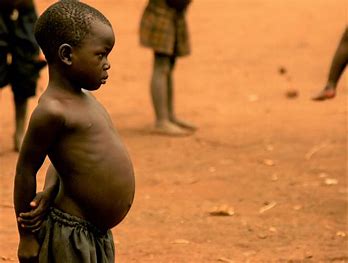
Kwashiorkor is a form of severe malnutrition that occurs when there is a lack of protein in the diet. It is most commonly seen in children in developing countries who do not have access to adequate food resources. Kwashiorkor is characterized by swelling of the abdomen, thinning of the hair, and a puffy appearance of the face and limbs. If left untreated, it can lead to stunted growth, impaired brain development, and even death. It is important to address and prevent kwashiorkor through proper nutrition and access to sufficient protein-rich foods.
Causes of kwashiorkor
include inadequate protein consumption, poor diet quality, and insufficient intake of essential nutrients. Additionally, factors such as poverty, lack of education, and limited access to healthcare can contribute to the prevalence of kwashiorkor in certain communities. Inadequate breastfeeding practices, especially when combined with the early introduction of inappropriate or contaminated complementary foods, can also increase the risk of developing kwashiorkor. It is important to address these underlying factors and promote awareness about proper nutrition to prevent and manage cases of kwashiorkor effectively.
Signs and symptoms of kwashiorkor
The following are some of the common signs and symptoms associated with kwashiorkor:
1. Edema: Kwashiorkor often causes swelling and fluid retention, particularly in the legs, feet, and face. This edema occurs due to the imbalances in fluid and protein levels in the body.
2. Malnourished appearance: Individuals with kwashiorkor may have a swollen and bloated belly, while at the same time, their extremities may appear thin and emaciated.
3. Skin and hair changes: Kwashiorkor can lead to changes in the skin and hair. The skin may become dry, flaky, and prone to infections. Hair may turn brittle, thin, and change color due to nutritional deficiencies. 4. Loss of muscle mass: Kwashiorkor can cause muscle wasting and weakness. The lack of protein affects the body’s ability to maintain muscle tissue, leading to reduced strength and impaired physical development.
5. Fatigue and irritability: Children with kwashiorkor may exhibit signs of fatigue, irritability, and apathy. The lack of essential nutrients affects their overall energy levels and mental well-being.
6. Poor growth and development: Kwashiorkor can stunt growth and development in children, both physically and mentally. It can lead to delayed milestones, cognitive impairments, and learning difficulties. 7. Changes in appetite: Children suffering from kwashiorkor may experience a reduced appetite or have a lack of interest in food. This can further exacerbate their nutritional deficiencies.
8. Weakened immune system: Malnutrition weakens the immune system, making individuals with kwashiorkor more prone to infections, illnesses, and delayed wound healing. It is important to note that the severity and combination of these signs and symptoms may vary among individuals. Early detection, proper diagnosis, and prompt treatment are crucial in managing and reversing the effects of kwashiorkor. If you suspect someone may be experiencing these symptoms, seeking medical attention is essential for their well-being.
Treatment of Kwashiorkor
Treatment of Kwashiorkor is a vital aspect of managing this severe form of malnutrition. Kwashiorkor predominantly affects young children and is characterized by protein deficiency. In order to address this condition effectively, a comprehensive approach is required. Medical interventions focus on gradually reintroducing essential nutrients, especially protein, into the individual’s diet. This is often achieved through the administration of specially formulated therapeutic foods. These therapeutic foods are designed to be nutritionally dense and easily digestible, providing the necessary nutrients to restore the body’s health.
Additionally, Kwashiorkor treatment involves close monitoring and management of complications that may arise. For example, addressing electrolyte imbalances, such as low levels of potassium or magnesium, is crucial. Adequate hydration and rehydration therapy are also essential in maintaining the body’s fluid balance.
Furthermore, psychological support plays a significant role in the treatment of Kwashiorkor. Children suffering from this condition may experience emotional distress and require counseling to help them cope with their ordeal. Family education and involvement are also crucial in ensuring ongoing nutrition and overall well-being. It is important to note that the treatment of Kwashiorkor requires a multi-disciplinary approach, involving healthcare professionals, nutritionists, psychologists, and social workers. By employing a comprehensive treatment plan, individuals affected by Kwashiorkor can have the best chance at recovery and improving their overall health and well-being.
 APOMUDEN
Leave a comment