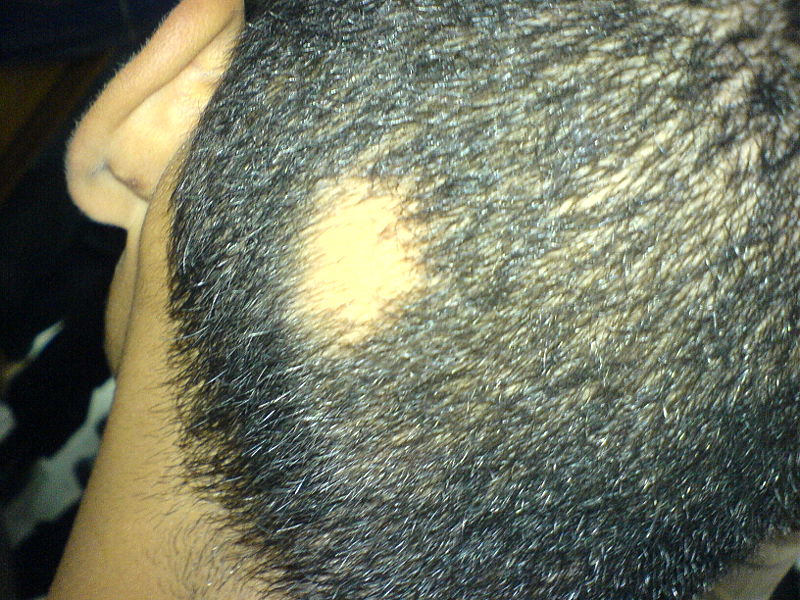
Alopecia is a medical condition that affects millions of people worldwide. It is a type of hair loss that can occur in various forms, including thinning hair, bald patches, or complete baldness. Alopecia can have a significant impact on a person’s self-esteem and confidence, leading to anxiety and depression. Understanding the causes and symptoms of alopecia is crucial in identifying the appropriate treatment options. In this article, we will explore the different types of alopecia, their causes, and symptoms. We will also discuss the available treatment options, including medication, hair transplant surgery, and natural remedies. Whether you are experiencing hair loss or seeking to understand the condition, this article will provide you with valuable insights on how to manage alopecia and restore your hair’s health.
What is Alopecia?
Alopecia is a medical term used to describe hair loss. It is a common condition that affects people of all ages, genders, and races. Alopecia can occur in different forms, including:
- Androgenetic Alopecia: This is the most common type of alopecia, affecting both men and women. It is also known as male or female pattern baldness. Androgenetic alopecia is caused by a genetic predisposition to hair loss and hormonal changes that occur as we age.
- Alopecia Areata: This is an autoimmune disorder that causes hair loss in patches. The immune system attacks the hair follicles, leading to hair loss. Alopecia areata can occur at any age and can affect both men and women.
- Alopecia Totalis: This is a severe form of alopecia areata that affects the entire scalp, leading to complete baldness.
- Alopecia Universalis: This is the most severe form of alopecia, causing complete hair loss on the scalp and body.
- Telogen Effluvium: This is a type of hair loss that occurs due to stress or trauma, such as surgery, childbirth, or severe illness. It causes the hair to enter the resting phase, leading to excessive shedding.
Types of Alopecia and their Causes
- Androgenetic Alopecia: This type of alopecia is caused by a combination of genetic and hormonal factors. It is more common in men than women, and it tends to run in families. The hair follicles shrink over time, leading to thinner hair and eventually baldness.
- Alopecia Areata: The exact cause of alopecia areata is unknown, but it is believed to be an autoimmune disorder. The immune system attacks the hair follicles, leading to hair loss in patches. It can also be triggered by stress, illness, or certain medications.
- Alopecia Totalis: This form of alopecia is a severe form of alopecia areata that affects the entire scalp, leading to complete baldness. It is believed to be an autoimmune disorder.
- Alopecia Universalis: This is the most severe form of alopecia, causing complete hair loss on the scalp and body. It is also believed to be an autoimmune disorder.
- Telogen Effluvium: This type of hair loss is caused by stress or trauma. It can be triggered by surgery, childbirth, severe illness, or emotional stress.
Symptoms of Alopecia
The symptoms of alopecia vary depending on the type of alopecia. In general, the most common symptoms of hair loss include:
- Thinning hair or bald patches on the scalp
- Complete baldness on the scalp or body
- Excessive shedding of hair
- Itching or burning sensation on the scalp
Risk Factors for Alopecia
Several factors can increase the risk of developing alopecia, including:
- Genetics: If you have a family history of hair loss, you are more likely to develop alopecia.
- Hormones: Hormonal changes can trigger hair loss, such as menopause or pregnancy.
- Age: Hair loss is more common as we age, as the hair follicles shrink over time.
- Autoimmune Disorders: Certain autoimmune disorders can increase the risk of developing alopecia, such as lupus or rheumatoid arthritis.
- Stress: Emotional or physical stress can trigger hair loss.
Diagnosis of Alopecia
If you are experiencing hair loss, your doctor will perform a physical exam and ask about your medical history. They may also order blood tests to rule out underlying medical conditions. In some cases, a skin biopsy may be performed to examine the hair follicles and determine the type of alopecia.
Treatment Options for Alopecia
There is no cure for alopecia, but several treatment options can help manage the symptoms and promote hair growth. The treatment options for alopecia include:
- Medication: There are several medications available to treat alopecia, including minoxidil, finasteride, and corticosteroids. These medications can help slow down hair loss and promote hair growth.
- Hair Transplant Surgery: Hair transplant surgery involves taking hair follicles from one area of the scalp and transplanting them to the balding areas. This procedure can be effective in restoring hair growth, but it can be expensive and requires several sessions.
- Natural Remedies: There are several natural remedies that can help manage alopecia, such as essential oils, scalp massage, and a healthy diet. These remedies can help promote hair growth and improve the overall health of the scalp and hair.
Pros and Cons of Each Treatment Option
- Medication: The pros of medication include its effectiveness in slowing down hair loss and promoting hair growth. The cons of medication include the risk of side effects, such as scalp irritation, dizziness, and low blood pressure.
- Hair Transplant Surgery: The pros of hair transplant surgery include its effectiveness in restoring hair growth and improving self-esteem. The cons of hair transplant surgery include the high cost and the risk of complications, such as infection or scarring.
- Natural Remedies: The pros of natural remedies include their affordability and safety. The cons of natural remedies include the lack of scientific evidence to support their effectiveness.
Tips for Coping with Alopecia and Boosting Self-Esteem
Coping with alopecia can be challenging, but there are several tips that can help boost self-esteem and improve the overall quality of life. These tips include:
- Joining a support group for alopecia patients
- Wearing wigs or hairpieces to conceal hair loss
- Practicing stress-reducing techniques, such as meditation or yoga
- Taking care of the scalp and hair with gentle products
- Seeking professional help, such as therapy or counseling
Support Groups and Resources for Alopecia Patients
There are several support groups and resources available for alopecia patients, including:
- National Alopecia Areata Foundation
- American Hair Loss Association
- Children’s Alopecia Project
- Alopecia UK
Conclusion
Alopecia is a common medical condition that can have a significant impact on a person’s self-esteem and confidence. Understanding the causes and symptoms of alopecia is crucial in identifying the appropriate treatment options. While there is no cure for alopecia, several treatment options can help manage the symptoms and promote hair growth. Coping with alopecia can be challenging, but there are several tips and resources available to help patients improve their quality of life. By seeking professional help, joining a support group, and taking care of the scalp and hair, patients with alopecia can boost their self-esteem and restore their hair’s health.
 APOMUDEN
Leave a comment