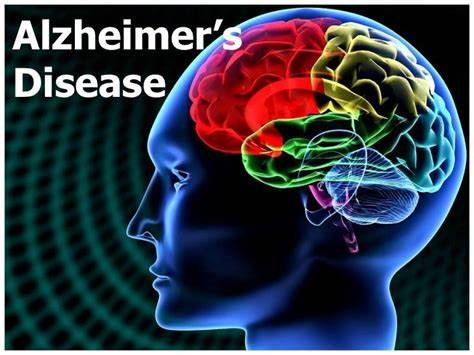
Alzheimer’s disease is a progressive brain disorder that affects millions of individuals worldwide. It is the most common form of dementia, accounting for approximately 60-80% of all cases. The disease is characterized by the accumulation of amyloid plaques and tau protein tangles in the brain, which ultimately leads to the death of brain cells. As a result, individuals with Alzheimer’s disease experience a decline in cognitive function, memory loss, and a loss of independence. Despite the devastating effects of the disease, there is still much that is unknown about its underlying causes and symptoms. In recent years, however, researchers have made significant strides in understanding the biology of Alzheimer’s disease. In this article, we will explore the science behind Alzheimer’s disease, including its causes, symptoms, and current treatments available.
Understanding the Causes of Alzheimer’s Disease
The Role of Genetics in Alzheimer’s Disease
Genetics plays a significant role in the development of Alzheimer’s disease. Studies have shown that individuals with a family history of Alzheimer’s disease are more likely to develop the disease themselves. In fact, individuals with a first-degree relative (parent or sibling) with Alzheimer’s disease have a 10-30% higher risk of developing the disease themselves. The risk increases with the number of affected relatives and the closeness of the relationship.
The genetic component of Alzheimer’s disease is complex, and researchers have identified several genes that are associated with an increased risk of developing the disease. The most well-known of these genes is the apolipoprotein E (APOE) gene. There are three forms of the APOE gene: APOE2, APOE3, and APOE4. Individuals who inherit one copy of the APOE4 gene have an increased risk of developing Alzheimer’s disease, while individuals who inherit two copies of the gene have an even higher risk. However, it is important to note that not all individuals with the APOE4 gene will develop Alzheimer’s disease, and not all individuals with Alzheimer’s disease have the APOE4 gene.
The Link Between Alzheimer’s Disease and Lifestyle Factors
Although genetics plays a significant role in the development of Alzheimer’s disease, lifestyle factors also play a crucial role. Studies have shown that certain lifestyle factors can increase or decrease the risk of developing the disease. These factors include:
- Physical activity: Regular physical activity has been shown to decrease the risk of developing Alzheimer’s disease. Exercise promotes blood flow to the brain, which helps to nourish brain cells and promote the growth of new cells.
- Diet: A healthy diet that is rich in fruits, vegetables, whole grains, and lean proteins can help to reduce the risk of developing Alzheimer’s disease. On the other hand, a diet that is high in saturated and trans fats, sugar, and processed foods can increase the risk.
- Smoking: Smoking is a risk factor for a variety of health conditions, including Alzheimer’s disease. Smoking can damage blood vessels in the brain, leading to a decrease in blood flow and oxygen to the brain.
- Alcohol consumption: Heavy alcohol consumption has been linked to an increased risk of developing Alzheimer’s disease. However, moderate alcohol consumption (one drink per day for women, two drinks per day for men) has been shown to have a protective effect.
The Symptoms of Alzheimer’s Disease
Alzheimer’s disease is a progressive disease that affects the brain, leading to a decline in cognitive function and memory loss. The symptoms of Alzheimer’s disease typically develop slowly and worsen over time. The early symptoms of the disease can be subtle and may include:
- Memory loss: Forgetting recently learned information or important dates or events.
- Difficulty with familiar tasks: Struggling to perform familiar tasks, such as cooking a meal or paying bills.
- Problems with language: Forgetting words or having difficulty following a conversation.
- Disorientation: Getting lost in familiar places or losing track of time.
- Poor judgment: Making poor decisions or showing poor judgment.
As the disease progresses, the symptoms become more severe and may include:
- Severe memory loss: Forgetting important people in one’s life, such as family members or close friends.
- Difficulty with communication: Being unable to speak or understand language.
- Personality changes: Becoming more irritable, anxious, or aggressive.
- Loss of independence: Needing assistance with daily tasks, such as bathing, dressing, and eating.
The Stages of Alzheimer’s Disease
Alzheimer’s disease is typically divided into three stages: mild, moderate, and severe. The symptoms of each stage are as follows:
Mild Alzheimer’s Disease
During the mild stage of Alzheimer’s disease, individuals may experience:
- Memory loss
- Difficulty with familiar tasks
- Problems with language
- Disorientation
- Poor judgment
Moderate Alzheimer’s Disease
During the moderate stage of Alzheimer’s disease, individuals may experience:
- Severe memory loss
- Difficulty with communication
- Personality changes
- Loss of independence
Severe Alzheimer’s Disease
During the severe stage of Alzheimer’s disease, individuals may experience:
- Inability to communicate
- Incontinence
- Loss of motor skills
- Total dependence on caregivers
Diagnosis and Treatment of Alzheimer’s Disease
There is currently no cure for Alzheimer’s disease, but there are treatments available that can help to manage the symptoms of the disease. The most common treatments include:
- Medications: There are several medications available that can help to improve memory and cognitive function in individuals with Alzheimer’s disease. These medications work by increasing the levels of neurotransmitters in the brain.
- Therapy: Therapy can help individuals with Alzheimer’s disease to cope with the emotional and psychological effects of the disease. It can also help caregivers to better understand the disease and how to care for their loved ones.
- Support groups: Support groups provide a safe and supportive environment for individuals with Alzheimer’s disease and their caregivers. They can help to reduce feelings of isolation and provide practical advice and emotional support.
Diagnosis of Alzheimer’s disease typically involves a comprehensive medical evaluation, including a physical exam, cognitive tests, and imaging tests (such as an MRI or CT scan). There is currently no single test that can definitively diagnose Alzheimer’s disease, and a diagnosis is typically made based on a combination of factors.
Coping Strategies for Caregivers of Individuals with Alzheimer’s Disease
Caring for a loved one with Alzheimer’s disease can be challenging and stressful. It is important for caregivers to take care of their own physical and emotional health in order to provide the best possible care for their loved ones. Some coping strategies for caregivers include:
- Joining a support group: Support groups provide a safe and supportive environment for caregivers to share their experiences and connect with others who are going through similar situations.
- Taking breaks: Caregivers should take regular breaks to rest and recharge. This may involve hiring a respite caregiver or enlisting the help of friends and family members.
- Practicing self-care: Caregivers should prioritize their own physical and emotional health by eating a healthy diet, getting regular exercise, and engaging in activities that they enjoy.
Conclusion: The Importance of Continued Research and Support for Those Affected by Alzheimer’s Disease
Alzheimer’s disease is a devastating illness that affects millions of individuals worldwide. Although there is still much that is unknown about the underlying causes and symptoms of the disease, researchers have made significant strides in recent years. Continued research is essential in order to develop new treatments and ultimately find a cure for the disease. In the meantime, it is important to provide support and resources for individuals with Alzheimer’s disease and their caregivers. By working together, we can help to improve the lives of those affected by this devastating illness.
br/>
 APOMUDEN
Leave a comment