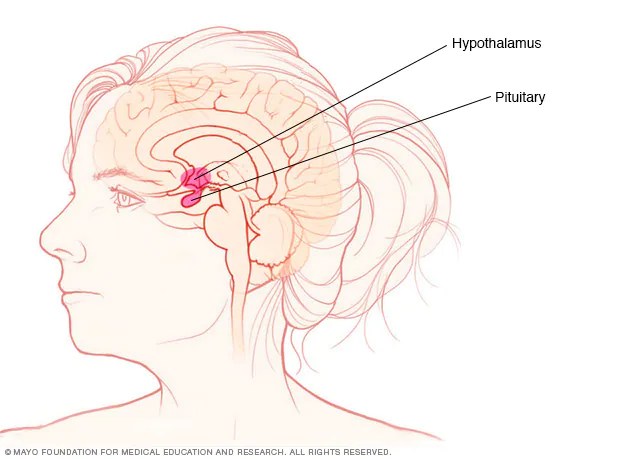
Acromegaly is an uncommon hormonal disorder caused by an excess of growth hormone in the body. The excess produces excessive growth in the body’s bones and soft tissues. Children with the syndrome might reach very tall heights. They may also have a disproportionate bone structure. Acromegaly is most commonly seen in the arms, legs, and face.
What Are the Symptoms of Acromegaly?
Many different symptoms of acromegaly can occur, and they worsen gradually over time.
Acromegaly signs and symptoms vary from person to person and may include any of the following:
- weight gain
- swollen and painful joints that limit movement
- splayed fingers and toes
- fatigue
- headaches
- an inability to sleep
- enlarged bones in the face, feet, and hands
- excessive hair growth in women
- Headaches, which may be persistent or severe
- Menstrual cycle irregularities in women
- Erectile dysfunction in men
- Loss of interest in sex
- excessive growth spurts, which are more common in people who’ve had abnormal growth before adolescence
- muscle weakness
- profuse sweating
- body odor
- enlarged sebaceous glands, which are glands that produce oils in the skin
- thickened skin
Who Is at Risk for Acromegaly?
Acromegaly can begin at any point following puberty. But it happens more frequently in middle age. Sometimes people are unaware of their situation. The body may undergo gradual changes over a long period of time.
How is acromegaly treated?
Acromegaly treatment is based on your symptoms. Usually, the objective is to
- reduce growth hormone production to normal levels
- relieve the pressure a tumour may be putting on surrounding tissues
- treat any hormone deficiencies
- improve your symptoms
A pituitary tumor is surgically removed in the majority of acromegaly patients. In some cases, medication or radiotherapy may be required in addition to or instead of surgery.
Can I prevent acromegaly?
Sadly, there is no way to avoid acromegaly. Scientists aren’t sure what causes pituitary tumors, which cause acromegaly, to form, although they believe hereditary factors may be involved.
What Are the Complications?
Acromegaly can result in major health issues if it is not treated. Complications may include:
- High blood pressure (hypertension).
- Heart disease.
- Cardiomyopathy (disease of your heart muscle).
- Arthritis.
- Type 2 diabetes.
- Carpal tunnel syndrome
- Enlargement of the thyroid gland (goiter)
- Precancerous growths (polyps) on the lining of your colon
Is acromegaly curable?
Some cases of acromegaly can be cured, but not all. For surgically removing a pituitary tumor that is causing acromegaly, the cure rate is approximately 85% for small tumors and 40% to 50% for large tumors.
Acromegaly cannot be cured, but medication gives a long-term, secure treatment.
 APOMUDEN
Leave a comment