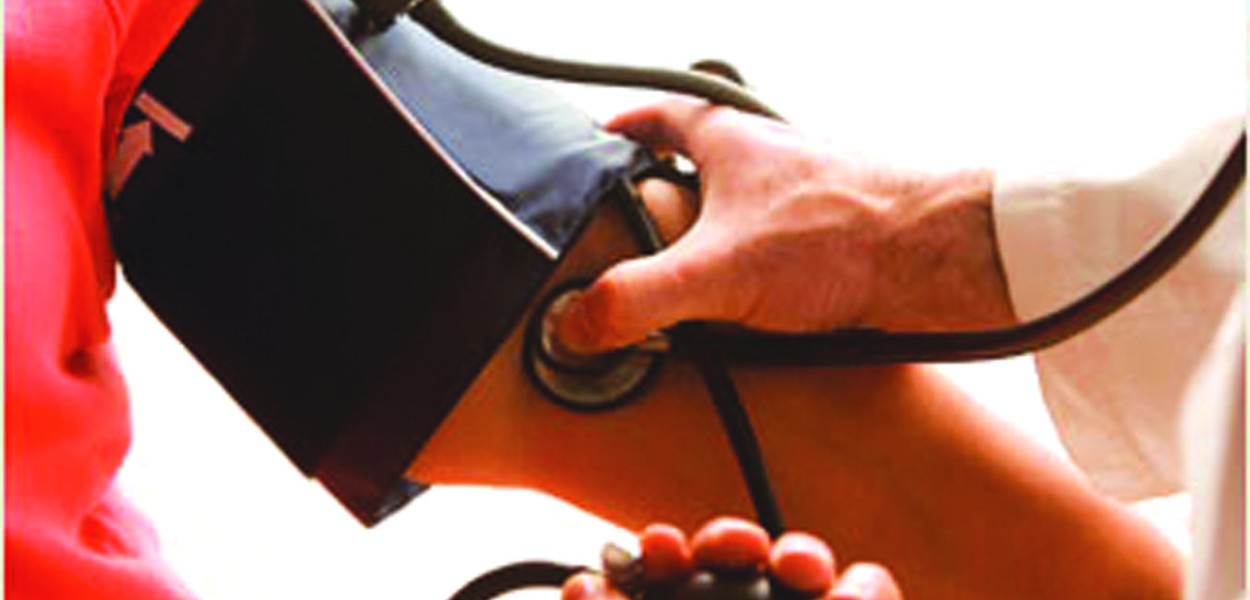
Hypertension, or high blood pressure, is blood pressure that is higher than normal. Your blood pressure fluctuates throughout the day depending on what you do. High blood pressure is diagnosed when blood pressure readings are persistently above normal.
Blood pressure is influenced by the amount of blood your heart pumps as well as the level of resistance to blood flow in your arteries. The more blood your heart pumps and the smaller your arteries, the higher your blood pressure. A blood pressure reading is given in millimeters of mercury (mm Hg). Blood pressure is most commonly measured in the brachial artery of the arm and it is expressed as two numbers, The first (systolic) number represents the pressure in blood vessels when the heart contracts or beats. The second (diastolic) number represents the pressure in the vessels when the heart rests between beats.
Causes of hypertension
There are two types of high blood pressure.
Primary hypertension
When you have abnormally high blood pressure that isn’t caused by a medical disease, you have essential hypertension. Obesity, a family history of high blood pressure, and an unhealthy diet are all common causes of this type of high blood pressure. Medication and lifestyle modifications can help reverse the disease.
Secondary hypertension
Some people have high blood pressure as a result of a medical issue. Secondary hypertension is a type of high blood pressure that appears suddenly and causes higher blood pressure than initial hypertension. Secondary hypertension can be caused by a variety of illnesses and drugs, including
- Obstructive sleep apnea
- Kidney disease
- Adrenal gland tumors
- Thyroid problems
- Certain defects you’re born with (congenital) in blood vessels
- Certain medications, such as birth control pills, cold remedies, decongestants, over-the-counter pain relievers and some prescription drugs
- Illegal drugs, such as cocaine and amphetamines
Risk factors of hypertension
High blood pressure is more common if you:
- family history of hypertension, diabetes etc.
- Are of African descent.
- Are older than 55.
- stress
- Are overweight.
- Don’t get enough exercise.
- Eat foods high in sodium (salt).
- Smoke or use tobacco products.
- heavy drinker
What are common symptoms of hypertension?
Hypertension is known as a “silent killer.” Most hypertensive persons are unaware of their condition since there are no warning signs or symptoms. As a result, it is critical that blood pressure be checked on a regular basis.
In rare and severe cases, high blood pressure can cause:
- sweating
- anxiety
- sleeping problems
- blushing
What can happen if high blood pressure is not treated?
Untreated hypertension may lead to serious health problems including:
- Stroke.
- Heart attack.
- Peripheral vascular disease.
- Kidney disease/failure.
- Complications during pregnancy.
- Eye damage.
- Vascular dementia.
How is high blood pressure diagnosed?
Your healthcare provider will need to use a blood pressure cuff to check your blood pressure. your provider will usually check your blood pressure. If you have high blood pressure readings at two or more appointments, your provider may diagnose you with high blood pressure.
Can I prevent high blood pressure?
There are certain things you can do to help reduce your risk of developing high blood pressure. These include:
- limit salt intake
- keep a healthy weight
- exercise regularly
- eat healthy
- Limit refined sugar
Hypertension Treatment and Management
life style modification such as’;
- Eating a heart-healthy diet with less salt
- Getting regular physical activity
- Maintaining a healthy weight or losing weight if you’re overweight or obese
- Limiting the amount of alcohol you drink
However, lifestyle adjustments aren’t always sufficient. If diet and exercise don’t work, your doctor may prescribe blood pressure medication.
Medication
Your doctor will prescribe high blood pressure medicine based on your blood pressure readings and overall health. Two or more blood pressure medications are generally more effective than one.
 APOMUDEN
Leave a comment