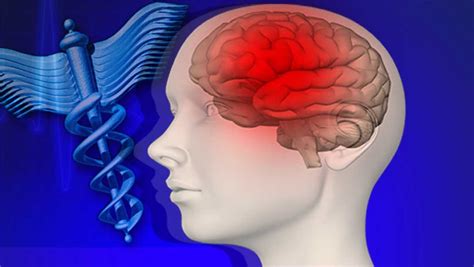
Meningitis is a condition characterized by inflammation of the meninges. These are the membranes that surround the brain and the spinal cord. In most cases, the inflammation is caused by an infection of the fluid surrounding the brain and spinal cord. Meningitis can also sometimes occur without an infection as a result of cancer or other illnesses.
causes of meningitis
Many different infections and diseases can cause meningitis. They include:
- Viral meningitis: Viral meningitis occurs when a virus, such as measles, mumps, or the flu, travels to the meninges. Symptoms are usually less severe than in other kinds of meningitis. Viruses that cause viral meningitis transmit from person to person.
- Bacterial meningitis: When a bacterial infection spreads to the meninges, it causes bacterial meningitis. This infection can be caused by a variety of species, but the most prevalent causes are group B streptococcus and Haemophilus influenzae. . Bacterial meningitis is caused by diseases that can spread from person to person.
- Fungal meningitis: Fungal meningitis occurs when a person becomes infected with a fungus, usually through inhaling spores from the environment. The infection has the potential to spread to the meninges.
- Parasitic meningitis: Parasitic meningitis happens when a parasite gets into the meninges. This is uncommon but can happen when a person eats raw or contaminated food, or has contact with raccoon feces from soil.
- Amebic meningitis: This rare and highly lethal type of meningitis happens when a bacteria that lives in the water travels up the nose to the meninges.
- Non-infectious meningitis: This means that the meninges become swollen without an infection. This can happen when a person has a serious disease like lupus erythematosus, a head injury, a recent brain surgery, or cancer.
What are the symptoms of meningitis?
Meningitis symptoms can appear within hours or days and may include the following:
- Stiff neck
- Sudden high fever
- Seizures
- Sleepiness or difficulty waking
- Sensitivity to light
- Severe headache that seems different from normal
- Headache with nausea or vomiting
- Confusion or difficulty concentrating
- No appetite or thirst
- Skin rash (sometimes, such as in meningococcal meningitis)
Signs in newborns
Newborns and infants may show these signs:
- High fever
- Constant crying
- Excessive sleepiness or irritability
- Difficulty waking from sleep
- Inactivity or sluggishness
- Not waking to eat
- Poor feeding
- Vomiting
- A bulge in the soft spot on top of a baby’s head (fontanel)
- Stiffness in the body and neck
Infants with meningitis may be difficult to comfort, and may even cry harder when held.
These symptoms may not appear all at once. And not everyone who has meningitis will exhibit all of these symptoms. Meningitis symptoms may resemble those of other medical diseases or issues. Always consult your healthcare physician for a diagnosis.
How is meningitis treated?
Treatment may include:
- Bacterial meningitis. Intravenous (IV) antibiotics are used to treat bacterial meningitis. The earlier the treatment is started, the better the outcome. While steroids have been shown to be helpful in treating bacterial meningitis in infants and children, this treatment is used less often in adults. Dexamethasone, a type of steroid, may be given in certain cases of bacterial meningitis, to decrease the inflammatory response caused by the bacteria.
- Viral meningitis. Treatment for viral meningitis is usually aimed at relieving symptoms. With the exception of the herpes simplex virus, there are no specific medicines to treat the organisms that cause viral meningitis. Sometimes antiviral medicines are used to treat some other specific types of viruses.
Prevention of Meningitis
Common bacteria or viruses that can cause meningitis can spread through coughing, sneezing, kissing, or sharing eating utensils, a toothbrush or a cigarette.
These steps can help prevent meningitis:
- frequent handwashing
- avoiding smoking
- practice good hygiene
- not sharing utensils, water bottles, or items that touch your mouth
Complications of meningitis
Complications from meningitis can be life-threatening. The longer you or your child goes without treatment, the greater the danger, such as:
- Learning disabilities
- Brain damage
- Memory difficulty
- Death
- Gait problems
- Seizures
- Shock
- Hearing loss
- Kidney failure
Meningitis can be a life-threatening emergency, therefore anyone who suspects they have it should get medical help right away.
 APOMUDEN
Leave a comment