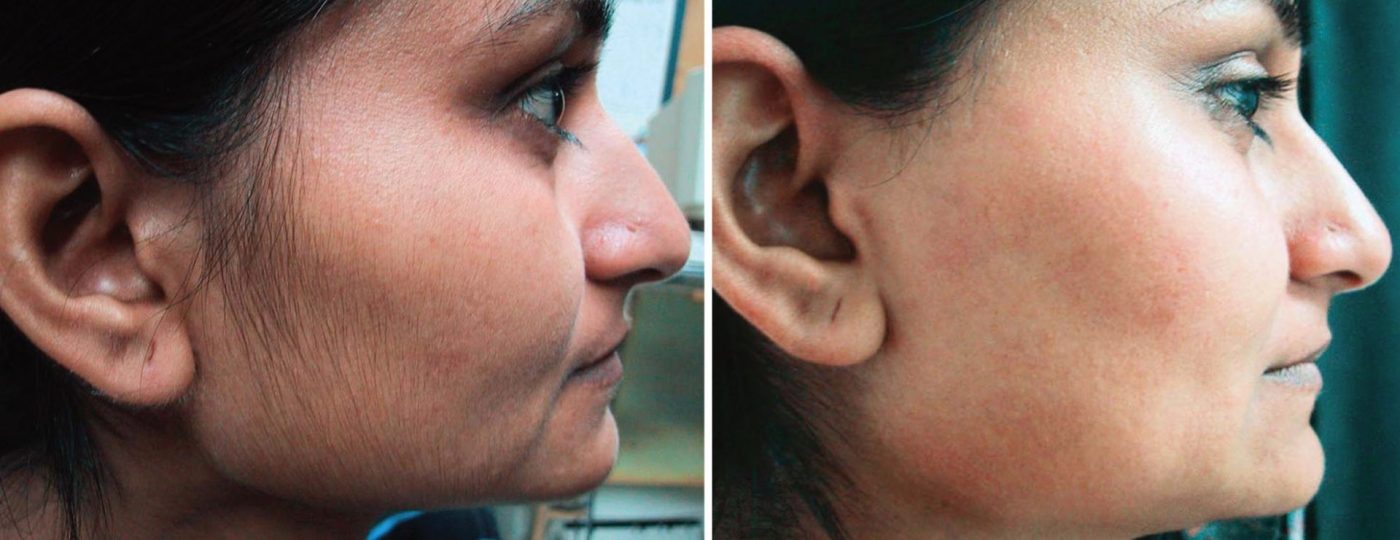
PCOS, or polycystic ovarian syndrome, is a group of symptoms caused by a hormonal imbalance that can affect women and girls of reproductive age. PCOS is commonly associated with at least two of the following three conditions:
- Ovulation failure, resulting in irregular menstrual cycles or no periods at all
- High androgen levels (a type of hormone) or symptoms of high androgen levels, such as excess body or facial hair
- Cysts (fluid-filled sacs) on one or both ovaries—the term “polycystic” means “having many cysts.”
Women with PCOS are often insulin resistant; their bodies can produce insulin but not properly utilize it, raising their risk of type 2 diabetes. They also have higher levels of androgens condition called hyperandrogenism (male hormones that females also have), which can prevent ovulation and cause irregular periods, acne, thinning scalp hair, and excessive hair growth on the face and body.
What are the risks for PCOS?
You may be more likely to have PCOS if your mother or sister has it. You may also be more likely to have it if you have, excess androgen, insulin resistance or are obese.
What causes PCOS?
The specific causes are unknown at this time, however androgen levels that are higher than usual have a role. Excess weight and a family history of insulin resistance can also play a role.
Symptoms of Polycystic Ovary Syndrome (PCOS)
There are many symptoms associated with the illness, and you may not experience all of them. It’s not uncommon for women to take several months, if not years, to realize they have this problem.
- Irregular menstrual cycle. Women with PCOS may miss periods or have fewer periods (fewer than eight in a year). Or their periods may come every 21 days or more often. Some women with PCOS stop having menstrual periods.
- Too much hair on the face, chin, or parts of the body where men usually have hair. This is called “hirsutism.” Hirsutism affects up to 70% of women with PCOS.
- Acne on the face, chest, and upper back
- Thinning hair or hair loss on the scalp; male-pattern baldness
- Weight gain or difficulty losing weight
- Darkening of skin, particularly along neck creases, in the groin, and underneath breasts
- Skin tags, which are small excess flaps of skin in the armpits or neck area
Can I still get pregnant if I have PCOS?
Yes, Despite the fact that PCOS is a primary cause of infertility, many women with PCOS can and do become pregnant. The hormonal imbalance in PCOS women interferes with the ovaries’ development and release of eggs. You will not be able to become pregnant if you do not ovulate.
Your doctor can advise you on methods to assist you ovulate and increase your chances of becoming pregnant.
Pregnant women with PCOS, on the other hand, are at a higher risk for certain complications, such as miscarriage, gestational diabetes, preeclampsia.
What are the treatments for PCOS?
A variety of factors influence PCOS treatment. These might include your age, the severity of your symptoms, and your overall health. The sort of treatment you receive may also be determined by your desire to become pregnant in the future.
If you do plan to become pregnant, your treatment may include:
- A change in nutrition and physical exercise. A nutritious diet and increased physical exercise can assist you in losing weight and reducing your symptoms. They can also improve the efficiency with which your body uses insulin, reduce blood glucose levels, and perhaps help you ovulate.
- Ovulation inducing medications. Medications can assist the ovaries in producing eggs regularly. These drugs are not without dangers. They can enhance the likelihood of having several children (twins or more). They also have the potential to cause ovarian hyperstimulation. This occurs when the ovaries produce an abnormally large number of hormones. It might result in symptoms including abdominal bloating and pelvic discomfort.
If you do not plan to become pregnant, your treatment may include:
- Birth control pills This aid in the regulation of menstrual periods, the reduction of testosterone levels, and the reduction of acne.
- Diabetes medicine This is frequently used to reduce insulin resistance in PCOS. It may also help reduce androgen levels, limit hair development, and help you ovulate more frequently.
- A change in diet and lifestyle. A healthy diet and increased physical activity can help you lose weight and improve your symptoms. They can also help your body use insulin more efficiently, lower blood glucose levels, and may help you ovulate.
Is there a cure for PCOS?
There is presently no cure for polycystic ovarian syndrome (PCOS), and it does not go away on its own.
Even after menopause, women with PCOS frequently have high levels of androgens as well as insulin resistance. This indicates that the health concerns connected with PCOS are permanent.
What are the complications of PCOS?
Women with PCOS are more likely to develop certain serious health problems.
- Endometrial cancer
- high blood pressure
- Depression, anxiety and eating disorders
- Abnormal uterine bleeding
- Type 2 diabetes or prediabetes
- Infertility
- Diabetes
- Obesity-related complications
 APOMUDEN
Leave a comment