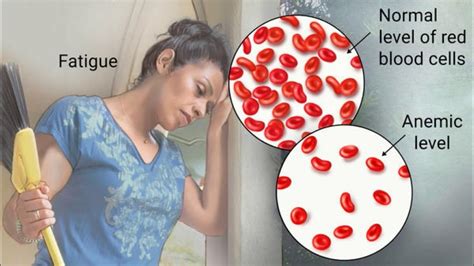
Anemia is a disorder in which you do not have enough healthy red blood cells to transport enough oxygen to your body’s tissues. Anemia, commonly known as low hemoglobin, can make you feel fatigued and weak.
There are several types of anemia, each with its own cause. Anemia can be acute or chronic, and it can range from mild to severe. In most situations, anemia is caused by more than one factor. When a person develops anemia, they are referred to as “anemic.” Being anemic may cause you to feel tired or colder than usual, or your skin to appear pale.
Causes of Anemia
Anemia can be caused by any process that disrupts a red blood cell’s natural life span. A red blood cell’s lifespan is normally around 120 days. The bone marrow is where red blood cells are produced.
There are two main types of anemia:
- caused by decreased or defective production of red blood cells
- caused by increased destruction of red cells in the blood
Common types of anemia include:
- iron deficiency anemia, caused by blood loss or a shortage of iron in the diet
- aplastic anemia, an uncommon but potentially deadly condition caused by the inability of the bone marrow to make red blood cells
- anemia due to bone marrow diseases such as leukemia or myelofibrosis affect the bone marrow’s ability to make blood cells.
- vitamin deficiency anemia, caused by too little vitamin B12 or folic acid in the diet or an inability to absorb these vitamins from food
- sickle cell anemia occurs in people who inherit genes for a type of hemoglobin that forces red blood cells to assume a crescent, or sickle, shape.
- hemolytic anemia occurs when the body destroys red blood cells faster than it makes them
- anemia of chronic disease arises as a result of cancer, HIV/AIDS, Crohn’s disease, and other chronic conditions that interfere with the production of red blood cells
Symptoms of Anemia
Anemia symptoms might be so mild that you may not even notice them. As the number of blood cells in your body decreases, symptoms often emerge. Symptoms of anemia might vary depending on the cause:
- Dizziness or lightheadedness
- Pale skin, dry skin, or easily bruised skin
- Shortness of breath
- Headaches
- Cramps in the lower leg when exercising
- Tiredness or weakness
- cold hands and feet
- Pain, including in your bones, chest, belly, and joints
Risk factors of Anemia
These factors place you at increased risk of anemia:
- Age. People over age 65 are at increased risk of anemia.
- Infants: Infants may get less iron when they are weaned from breast milk or formula to solid food. Iron from solid food is not as easily taken up by the body.
- Chronic conditions. If you have cancer, kidney failure or another chronic condition, you could be at risk of anemia of chronic disease. These conditions can lead to a shortage of red blood cells.
- Women: Blood loss during monthly periods and childbirth can lead to anemia. This is especially true if you have heavy periods or a condition like fibroids.
- People on blood thinners: These medications include drugs include aspirin, clopidogrel (Plavix®),warfarin (Coumadin®) etc
Anemia Treatment
Treatment is determined by the kind of anemia, the cause, and the severity of the condition. Treatments might range from as simple as increasing iron, folic acid, or vitamin B12 in the diet or through supplements to taking medications and possibly even treatments or surgery to stem blood loss.
Prevention of Anemia
Many types of anemia can’t be prevented. But you can avoid iron deficiency anemia and vitamin deficiency anemias by eating a diet that includes a variety of vitamins and minerals, including:
- Iron. Iron-rich foods include beef and other meats, beans, lentils, iron-fortified cereals, dark green leafy vegetables and dried fruit.
- Folate. This nutrient, and its synthetic form folic acid, can be found in fruits and fruit juices, dark green leafy vegetables, green peas, kidney beans, peanuts, and enriched grain products, such as bread, cereal, pasta and rice.
- Vitamin C. Foods rich in vitamin C include citrus fruits and juices, peppers, broccoli, tomatoes, melons and strawberries. These also help increase iron absorption.
- Vitamin B-12. Foods rich in vitamin B-12 include meat, dairy products, and fortified cereal and soy products.
Complications caused by anemia
- heart attack
- heart failure
- angina
- arrhythmias
- depression
- restless leg syndrome
- confusion
- a weakened immune system
- pregnancy complications like premature birth or low birth weight
- problems with memory
- multi-organ failure, which can result in death
- developmental delays in children
Note: If you’ve been diagnosed with anemia, notify your doctor if you notice any new symptoms or see a substantial rise in your existing ones.
Anemia is a severe illness, and it is critical that you follow your healthcare provider’s instructions and suggestions on nutrition, medication, exercise, and other lifestyle choices to avoid consequences.
 APOMUDEN
Leave a comment